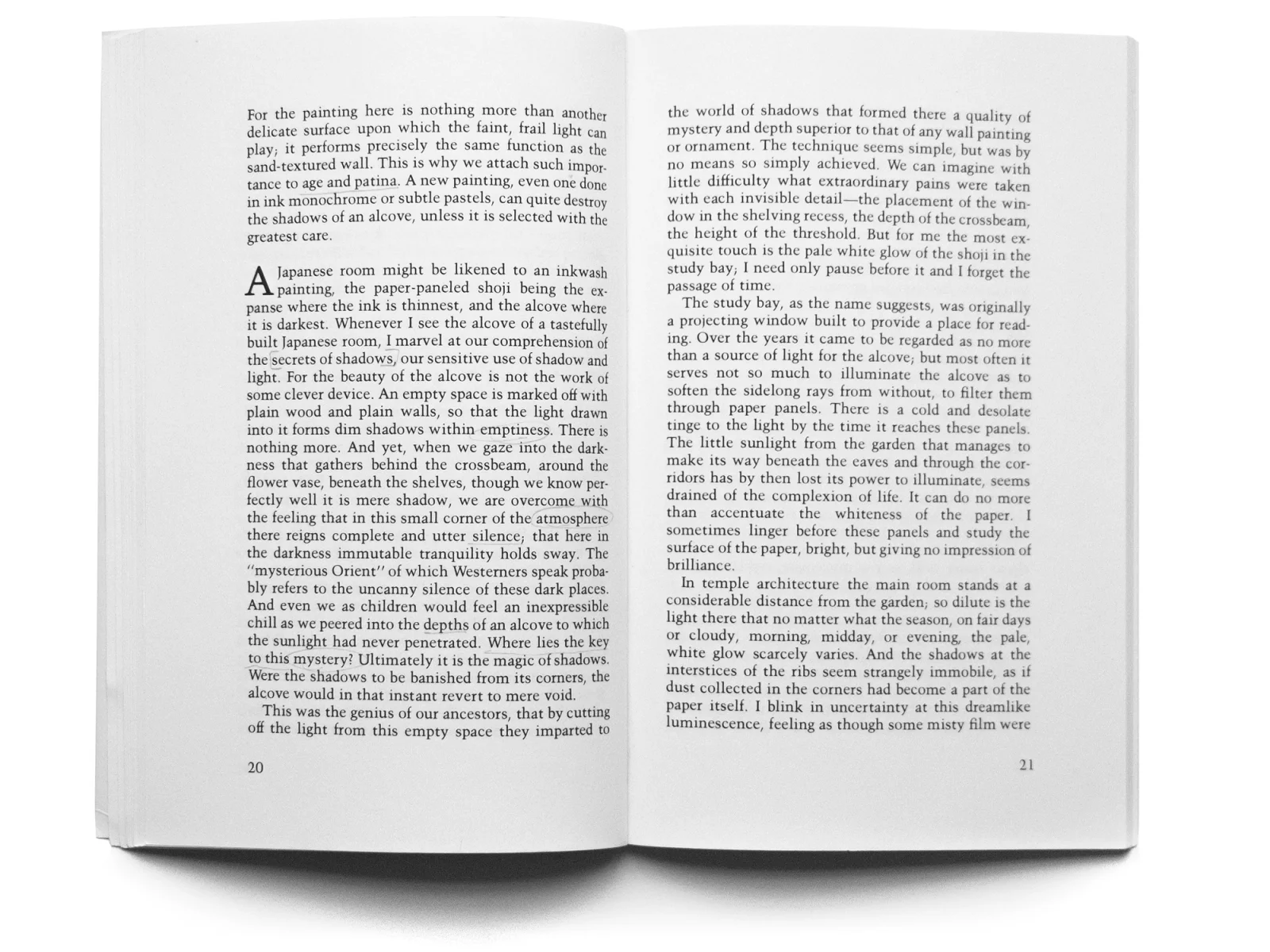
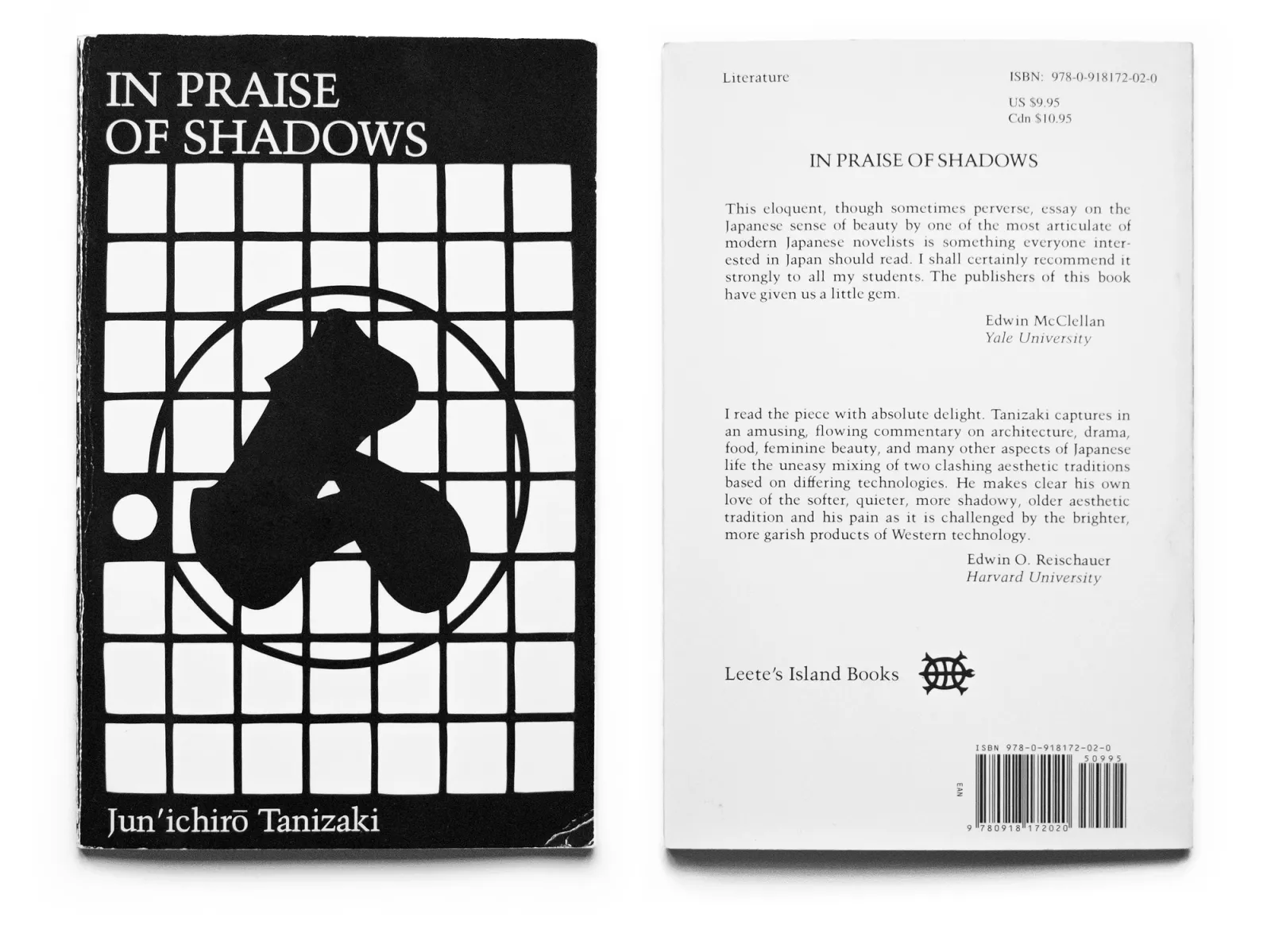
Among the many books and journals that line the shelves in our office, few have made as indelible a mark on the way we think about architecture and design as In Praise of Shadows by Jun’ichirō Tanizaki.
A novelist by trade, Tanizaki’s essay could be seen as a brief treatise on aesthetics, but the historical context paints a much more interesting picture. First written in 1933 amidst rapid economic and technological advancements in his native Japan, Tanizaki sought to call attention to traditions, values, and cultural practices he felt were slipping away in the changing tide of his homeland. These touchstones often formed the backbone of his novels, but here Tanizaki strikes the tone of someone deeply connected to the origins and lasting effects of those traditions—and one who is acutely aware of how fragile they become when set against the unmitigated progress and imperialist ambitions prevalent in Japan at that time. The text was first translated for English readers in 1955, amidst a period of intense cultural exchange between the US and Japan following the second World War, breathing new life and relevance into the text. While some passages and language may feel anachronistic against today’s sociopolitical landscape, we find immense value in the evocative architectural descriptions he weaves throughout the essay.
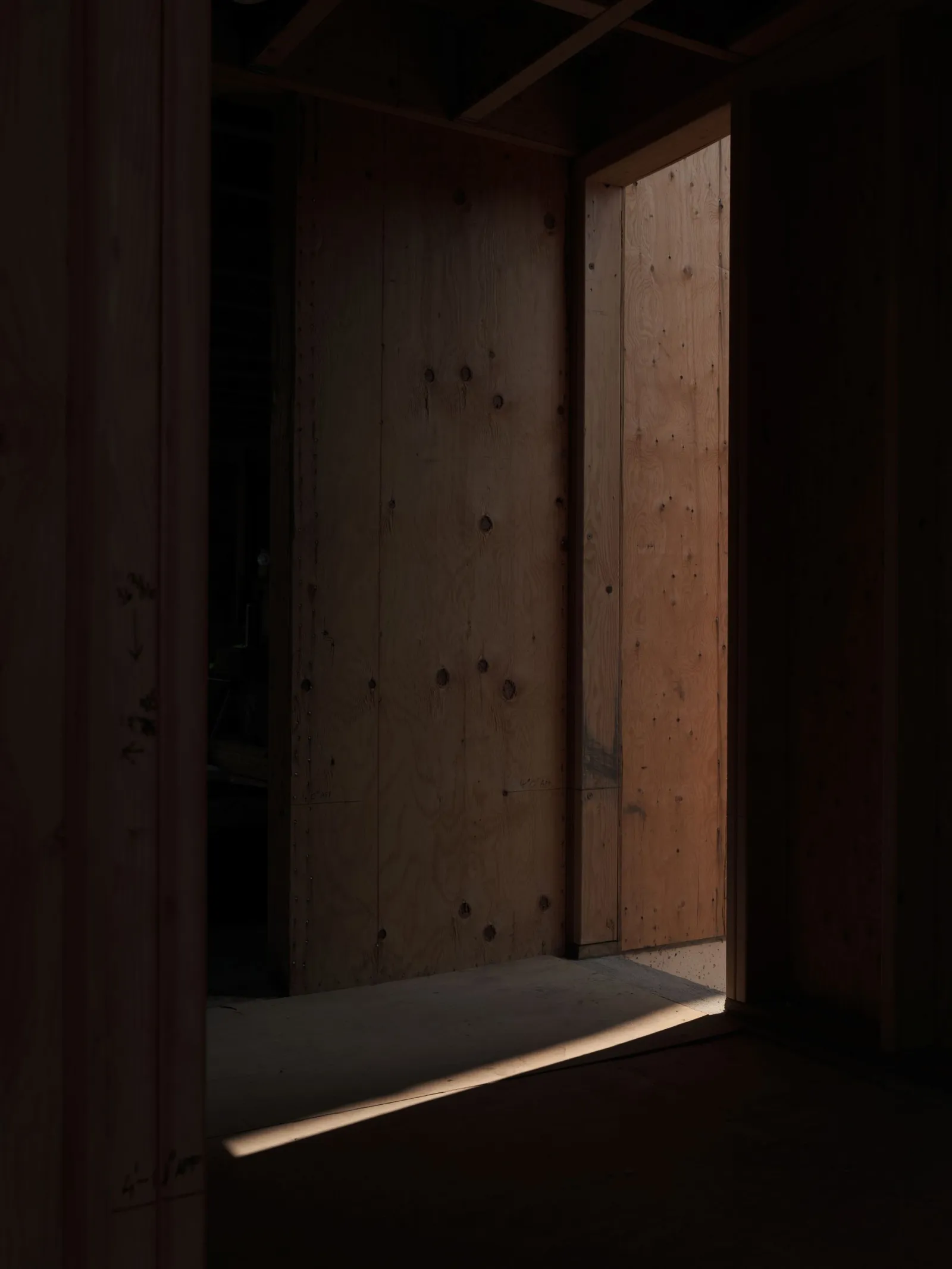
The simple allure of Japanese culture and way of life can be attributed to myriad factors. Among westerners the most common—and perhaps reductive—explanation is related to Leonard Koren’s influential essay on wabi-sabi, an acceptance (or reverence) of things transient and imperfect. In our daily lives it is unusual to confront virtues like silence, emptiness, and mystery, with such sincerity. For Tanizaki, appreciation of these qualities stems from a long history among the Japanese people to seek satisfaction within the qualities of their own circumstances as they are.
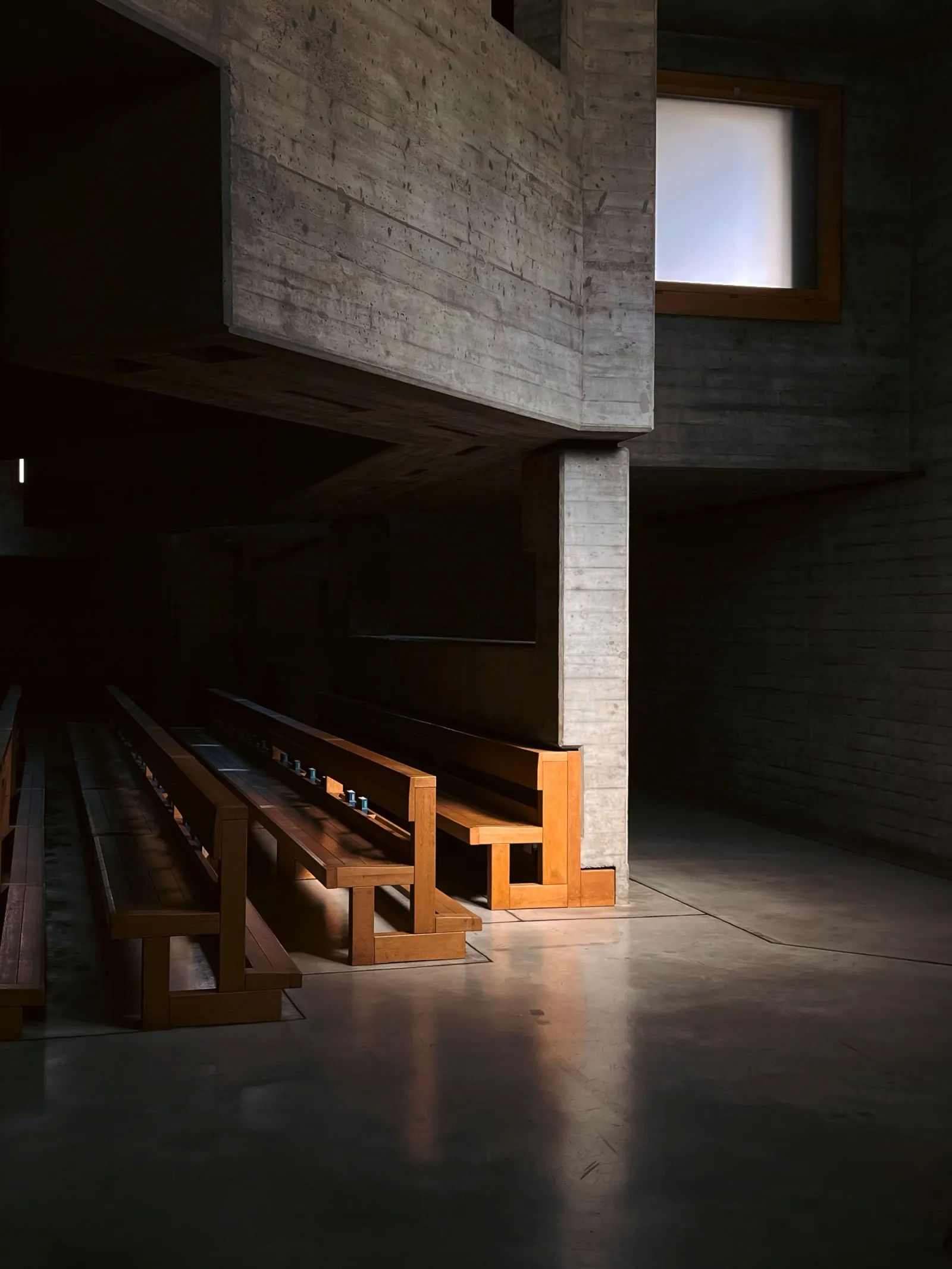
It is easy to extoll the virtues of light. At least since the Age of Enlightenment in the Western world, light has become aligned—morally, scientifically, and religiously—with transparency and truth. To bring something into the light—to let the sun shine upon it—is bring it into our faculties of perception and, ostensibly, to reveal its nature to us. Shadows, by contrast, are maligned: they obfuscate and deceive. Darkness, opposite of light that it is, ostensibly must contain and represent those forces that resist truth and transparency. But the world of shadows is one of nuance and subtlety. Shadows provide depth and contour; In the pale light of early morning, when our shadows are longest, we hear songbirds sing and confront the unbridled potential of the day ahead. And just as moss grows on the dark side of a tree trunk, Tanizaki observes that within shadows, some qualities of the things that surround us may be expressed more fully and unexpectedly.
…
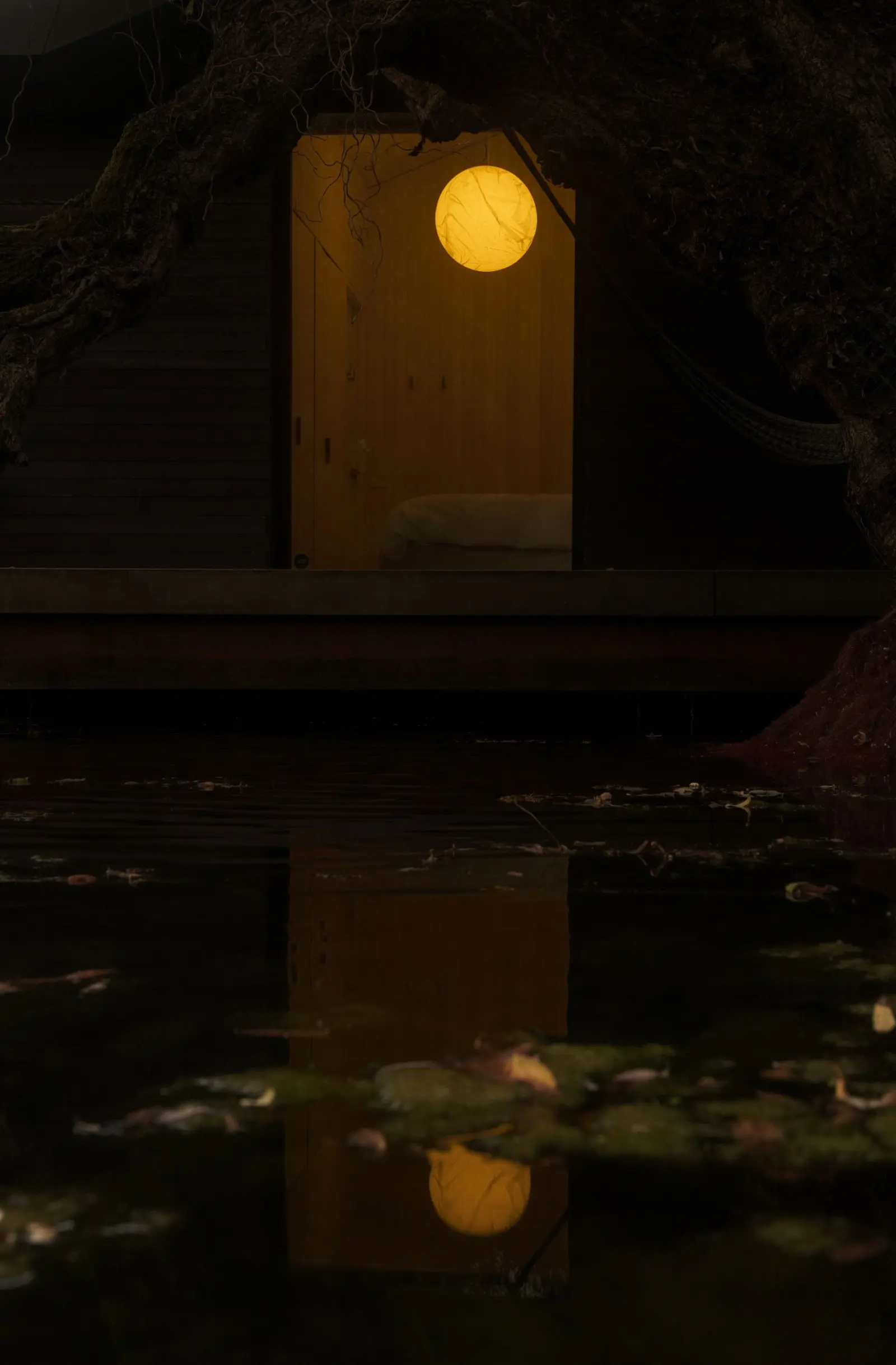
Lacquerware decorated in gold is not something to be seen in a brilliant light, to be taken in at a single glance; it should be left in the dark, a part here and a part there picked up by a faint light. Its florid patterns recede into the darkness, conjuring in their stead an inexpressible aura of depth and mystery, of overtones but partly suggested. The sheen of the lacquer, set out in the night, reflects the wavering candlelight, announcing the drafts that find their way from time to time into the quiet room, luring one into a state of reverie.”
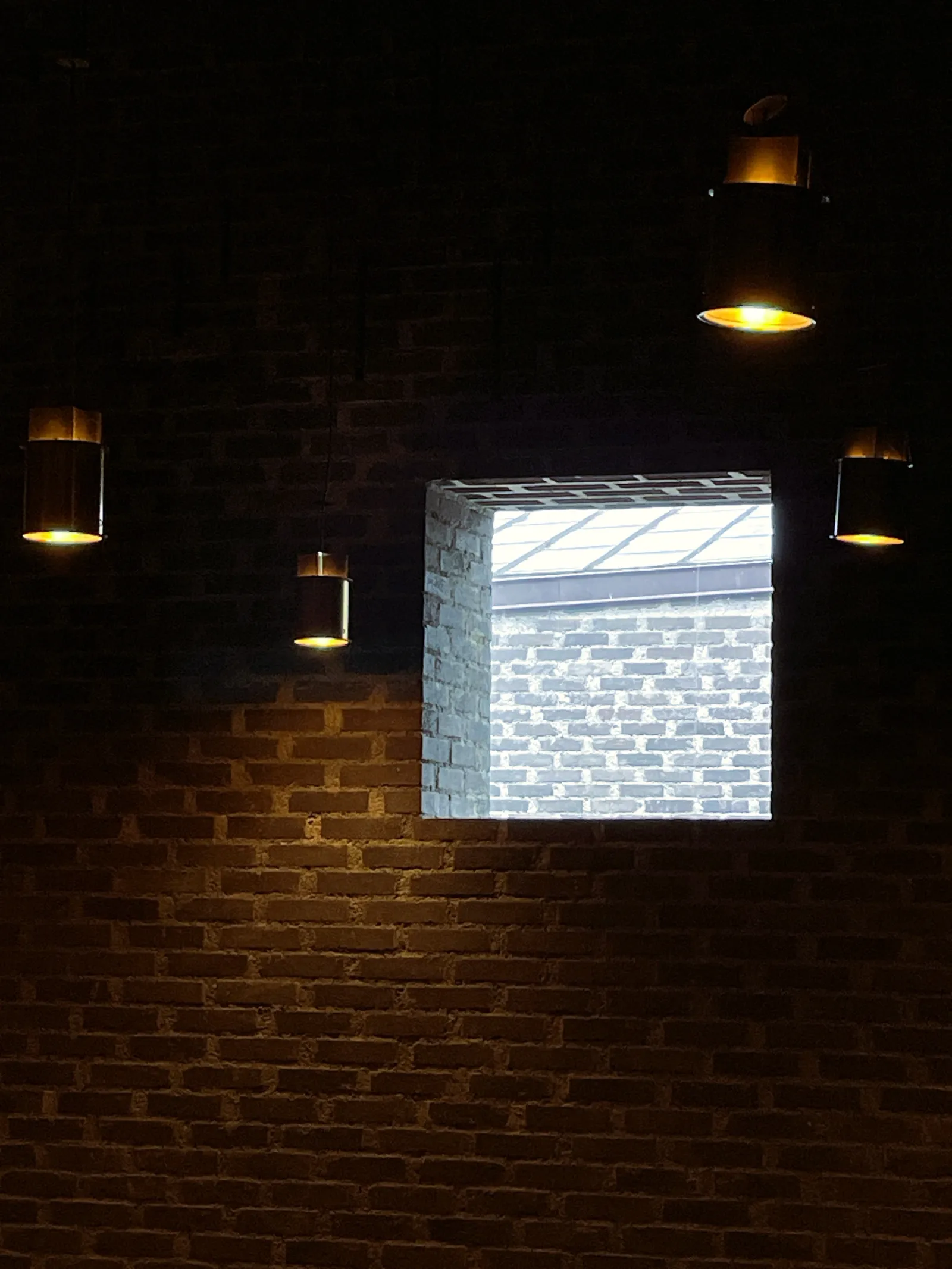
The modest charm of traditional buildings in Japan is in no small part due to the carpenters and architects, and their mastery of the spectrum of shadows and aptitude to tune the rooms and surfaces in their home to the light available to them. A sensitive and sharp observer of the world around him, Tanizaki recounts the feeling of watching the light of day fade into night from within the shelter of his home:
In Praise of Shadows does not tell the story of a misanthropic luddite, but rather reveals Tanizaki to be a sensitive ambassador for those qualities of his culture that might otherwise be forgotten. He is the preserver, the steward; the gardener, tending the soil of his homeland’s culture and traditions so that new things may honor and express the virtues that underpin their relevance.
In the Pacific Northwest—particularly in Seattle—it can feel like sunlight is at a premium. The northernmost large city in the contiguous United States, the winter sun rises late and sets early—and those daylight hours are spent under overcast skies and rain. As the summer months give way to shorter autumn days, the crimson and gold leaves of our maple trees feel electric against the blue-grey skies over Lake Washington; intuitively we know the warm rays of sunlight would wash out their vibrancy. Somber and muted, the cool skies of a mid-December morning in Seattle has a quiet stillness about it: the native evergreens recede in the ethereal morning fog—and as the day passes they feel more saturated and verdant in the pale winter light. In this climate, designing to amplify the precious little daylight we see in the winter is sensible. Tanizaki reminds us though that the world of shadows is a fertile one. When we take a moment to notice shadows and appreciate the qualities of darkness, we can start to embrace silence, emptiness, depth, and mystery. And within a room shrouded in shadow, sheltered from the cold rain outside, the warm glow of a fire or candlelight can feel otherworldly.
In Praise of Shadows was written by Jun’ichirō Tanizaki in 1933 and translated by Thomas J. Harper and Edward G. Seidensticker. The passages referenced here were transcribed from the edition published by Leete’s Island Books, Sedgwick, ME ©1977. Photography and videography featured here taken by Charlie Schuck and various members of Diaa.
This Curio entry is the first to highlight texts, essays, and books that have informed and influenced our practice. We encourage you to seek out this text in the hopes that it may mean as much to you as it does to us.