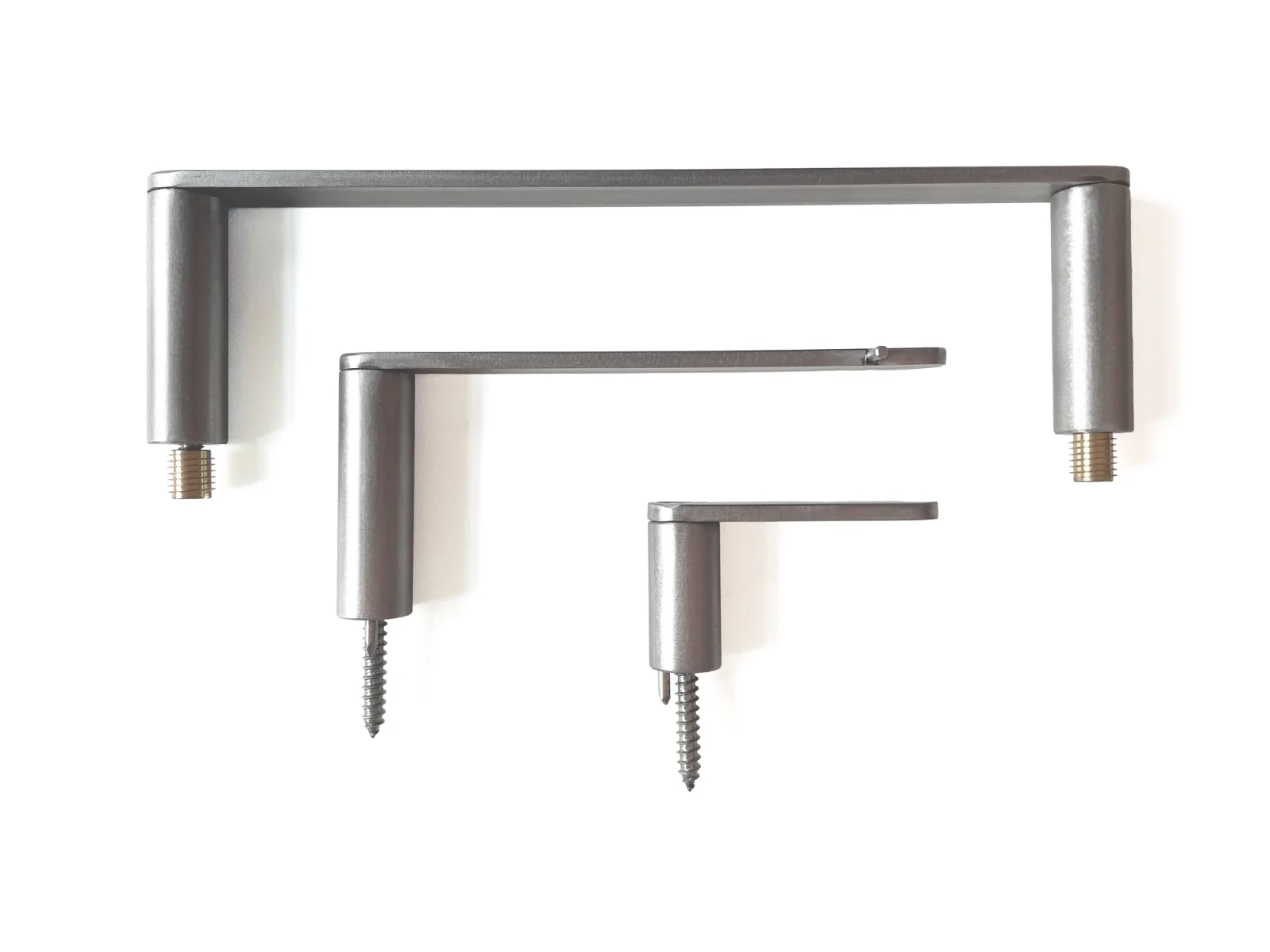
Helve, from the Old English hielfe, refers to a handle of a tool or weapon. The location where we grip the tool, a handle is our touch point - it has to relate to our hand anatomically and yet it must perform a task our hands cannot perform on their own. A tool has its own history - it bears the marks of its use; scratches and knicks in its surface, and wear from years of performing the same task. It also bears the imprint of the hands that employed it - wood fibers are worn smooth from years of gripping; metal handles patina from the oils on our skin. A well-made tool can last a lifetime. For Matt Kelly, making things that last is the backbone of his metalworking practice, Helve House.
We caught up with Matt recently to discuss his work, his ties to the community, and get a window into the life and inspirations of one of our most consistent collaborators:
Could you tell me about your background in metalwork, why metalwork attracted you in the first place, and what keeps you interested?
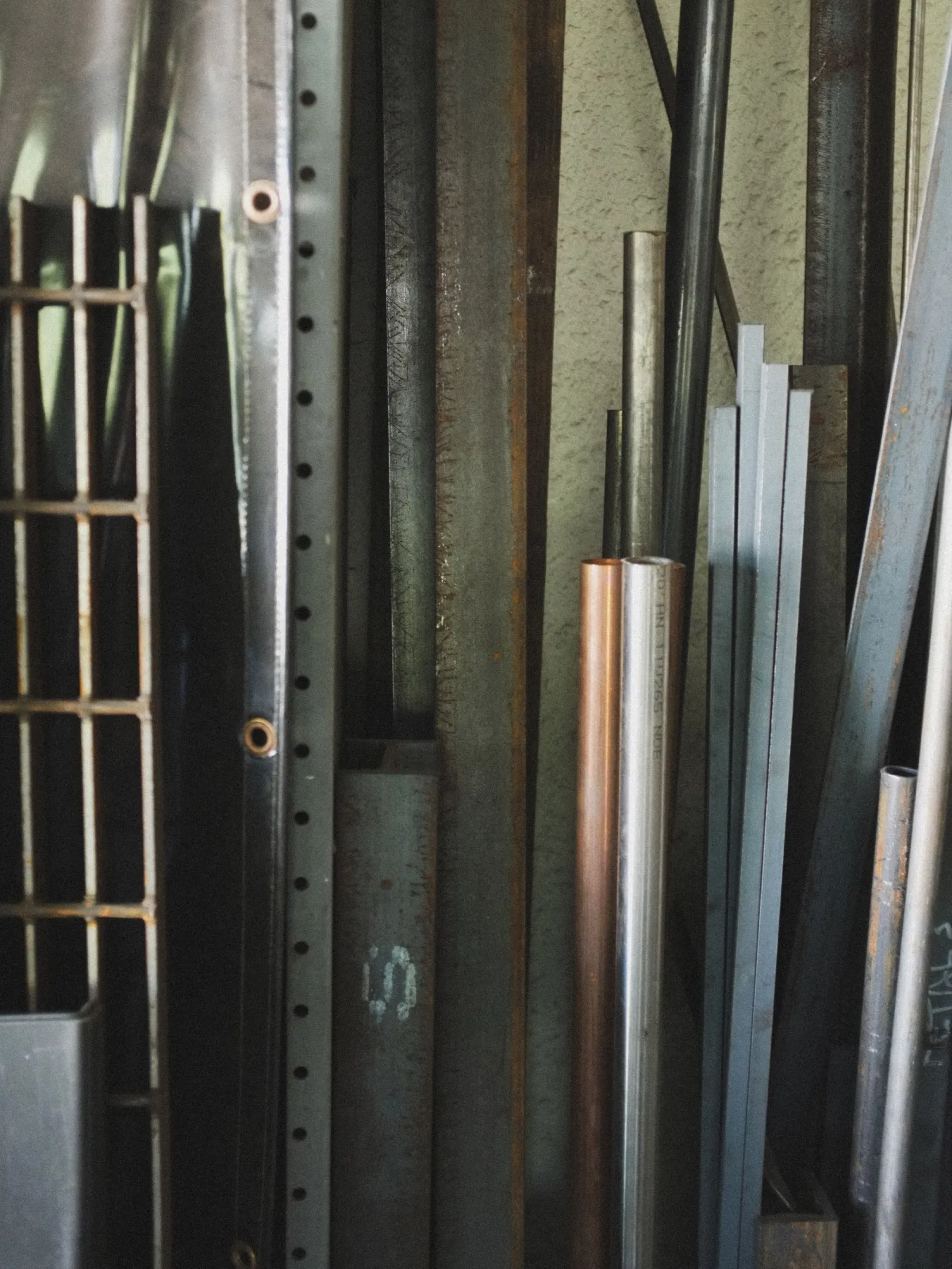
I grew up down in Renton and went to the school district down there. In junior high school, they actually got us in the metal shop. I think the first time I’d ever welded was like 13, which sounds kind of insane right now to have 13-year-olds welding stuff going on. I don’t know if Boeing had some kind of influence down there to try to get people handy at metalwork or introduce them at a younger age.
So out of high school, I went to Seattle Central Community College and studied graphic design for a couple years and did that for my early 20s. But then I decided against being at a computer all day. So I started landscaping as a part-time gig while doing graphic design at the same time, doing fun artistic projects for bands and stuff to supplement my work.
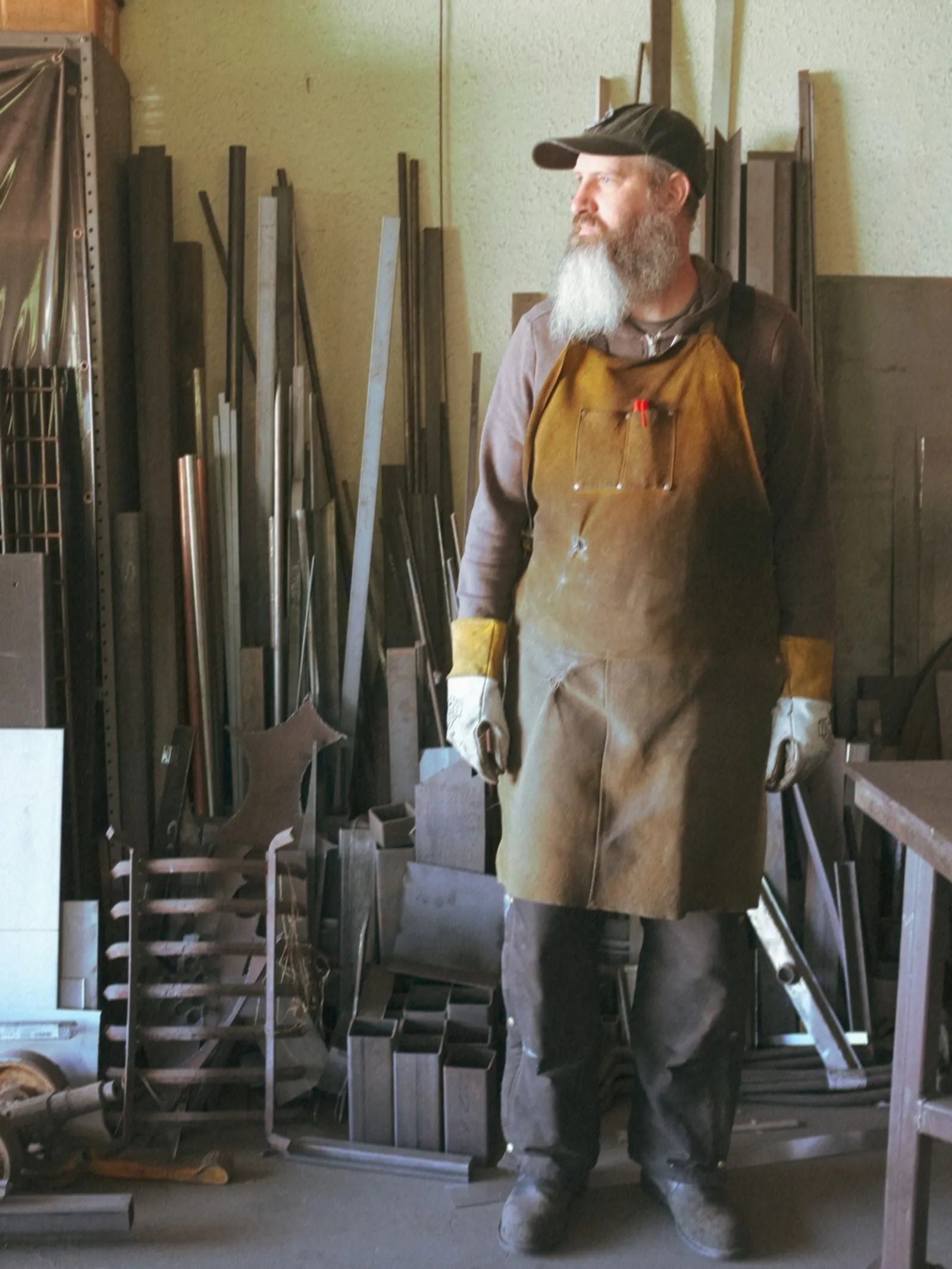
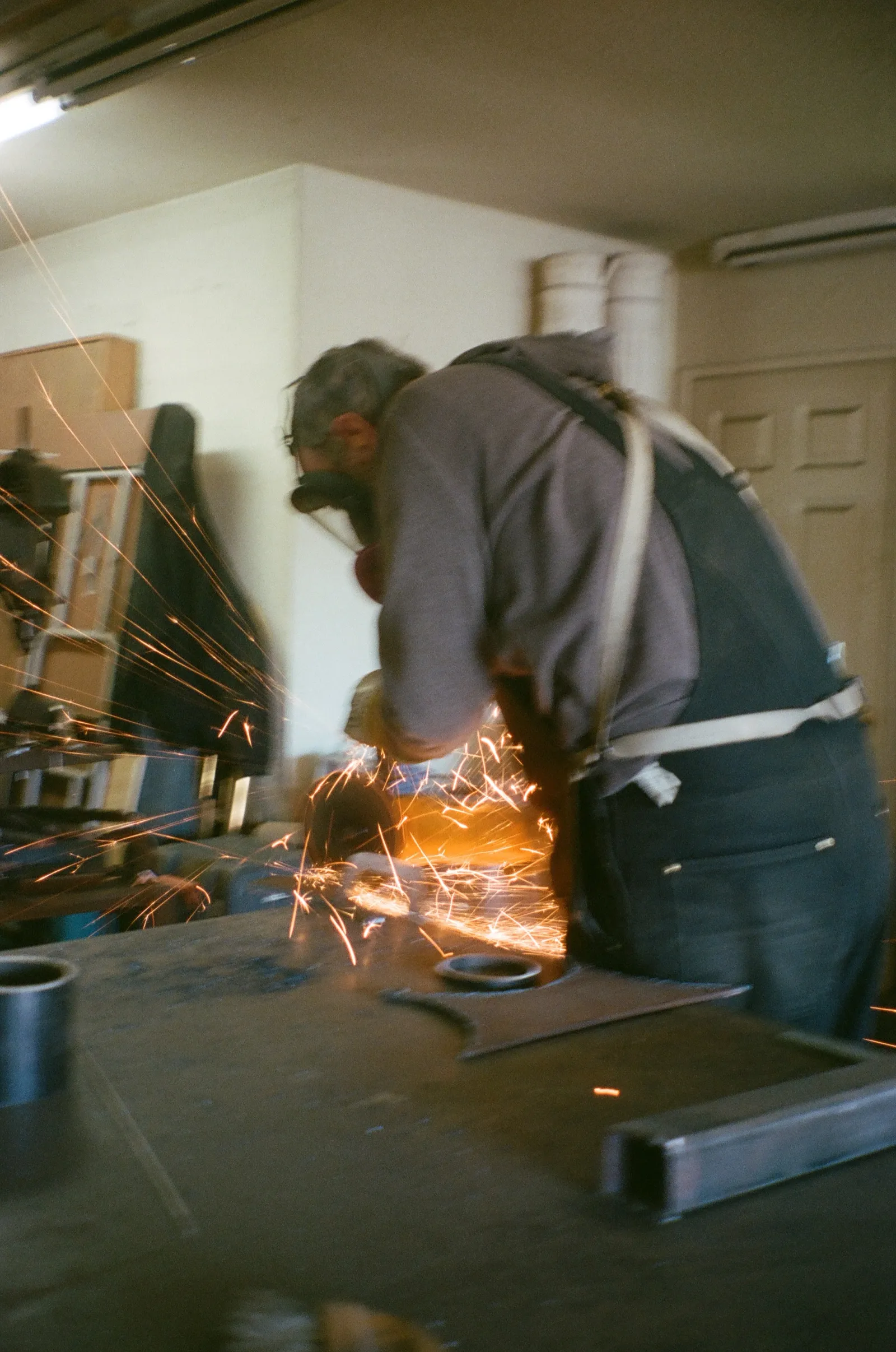
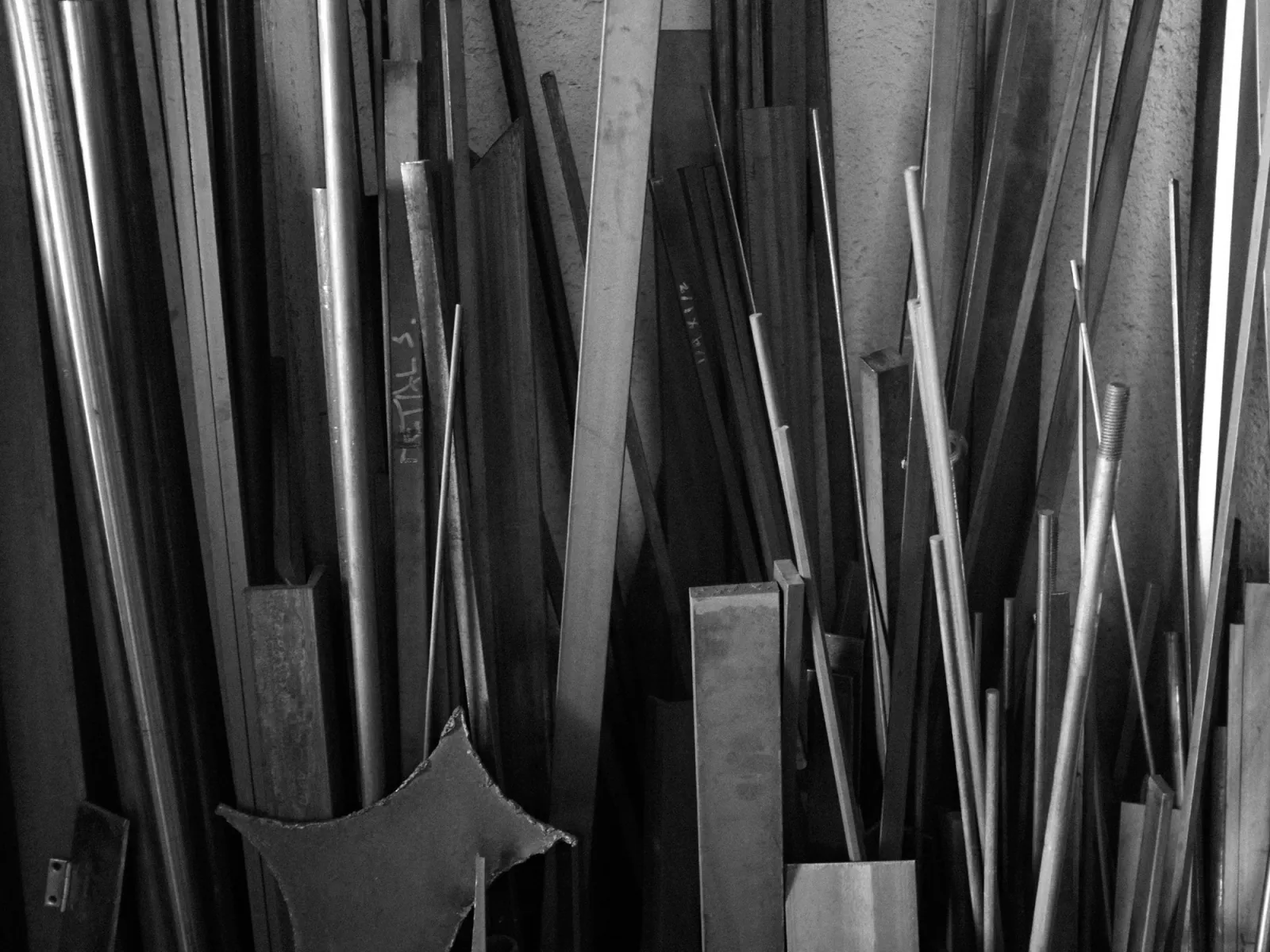
I was landscaping next door to this metal shop—and I was driving a cool old car… The guys at the shop noticed—and I ended up being like, “Hey, can I just go to work for you guys?” And they sort of got me in there… It was kind of an apprenticeship program, but pretty loose. They were all artistic builders, no union or anything like that. I just did that for 10 years before going off on my own. And fortunately, everyone’s liking my work.
The other question was what drives me to that work: I think it’s mostly being able to think of something, dream about it, make it, and have it really last for a long time… Building things that are going to stand the test of time is really gratifying for me.
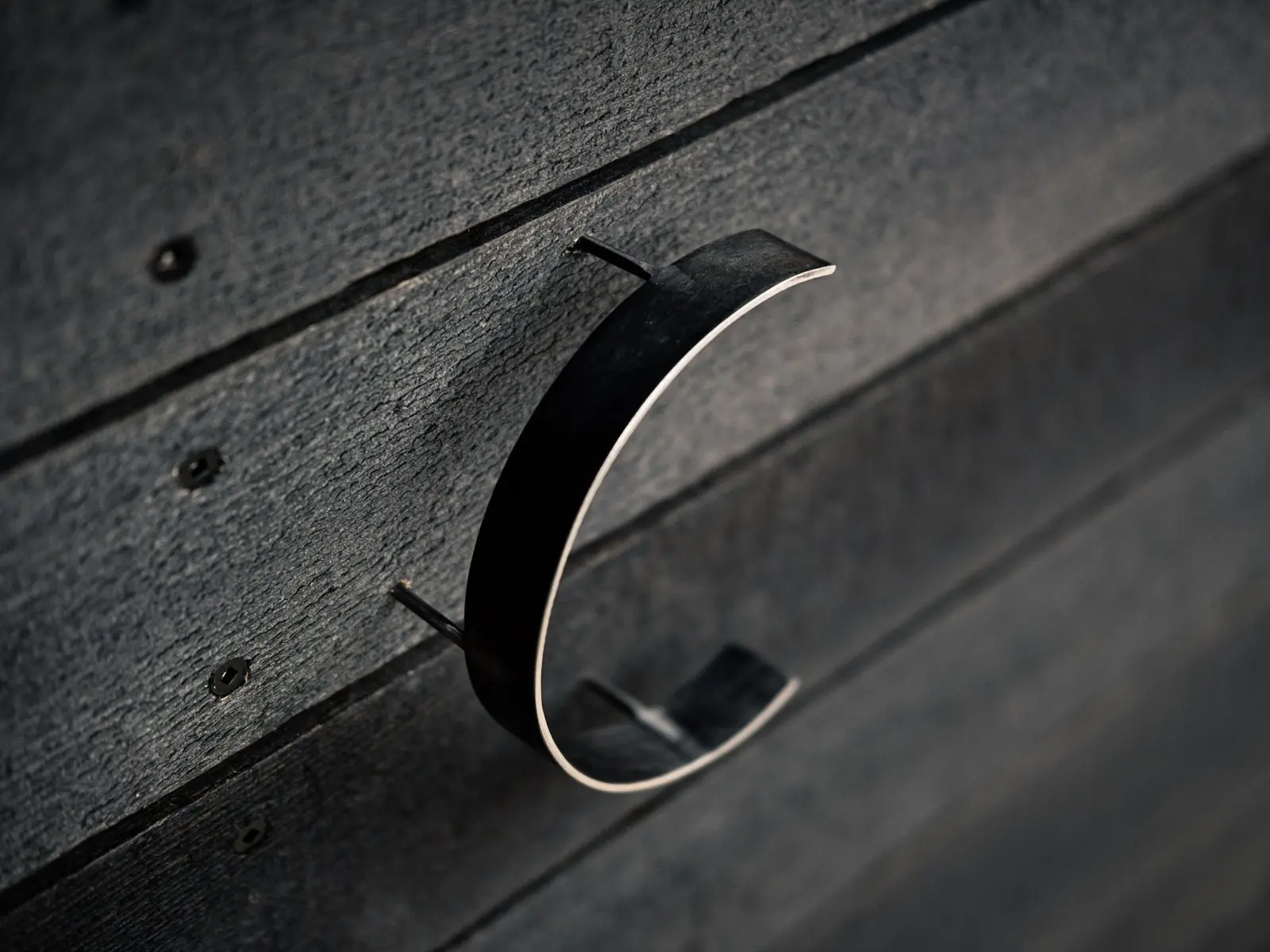
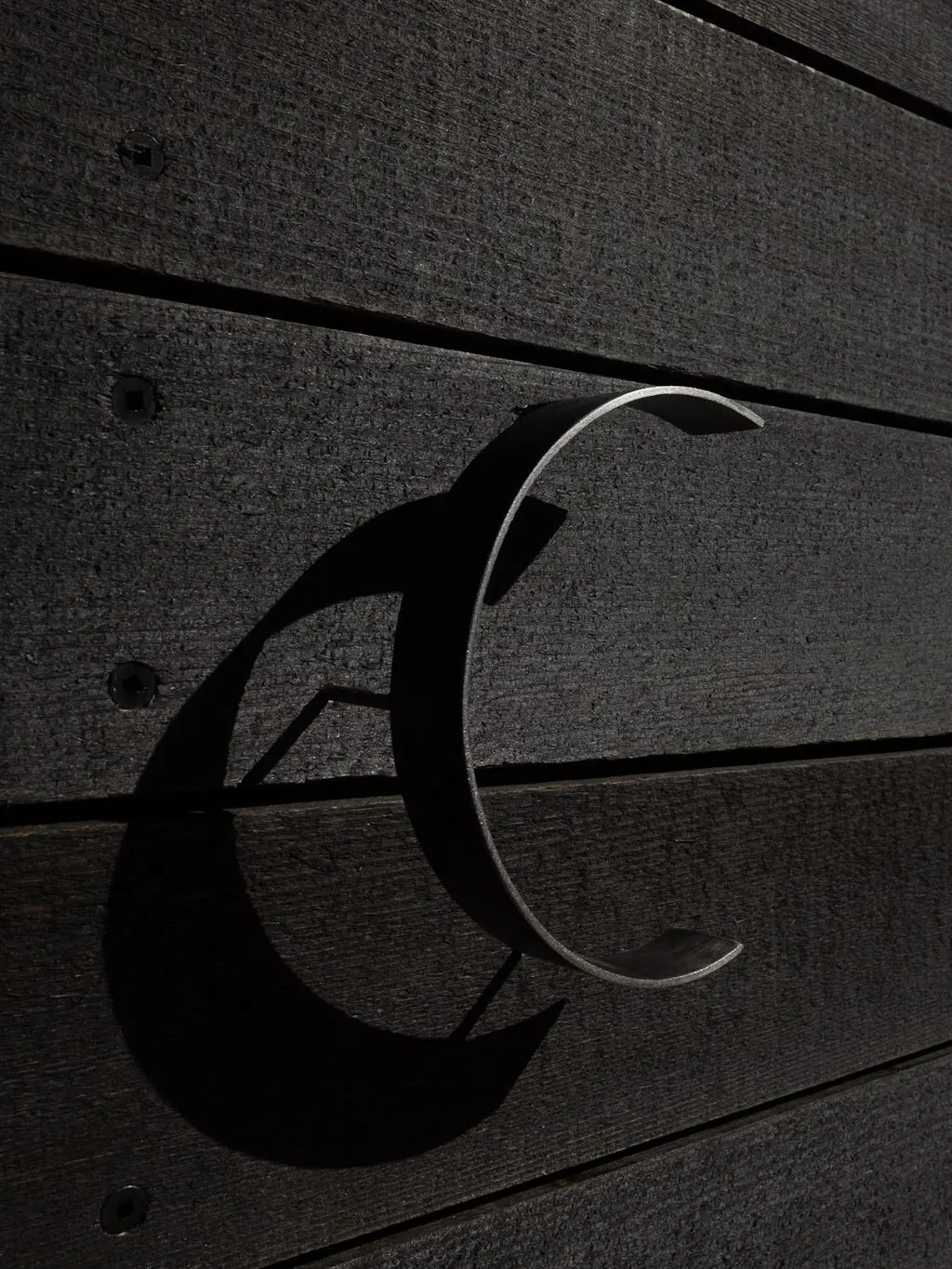
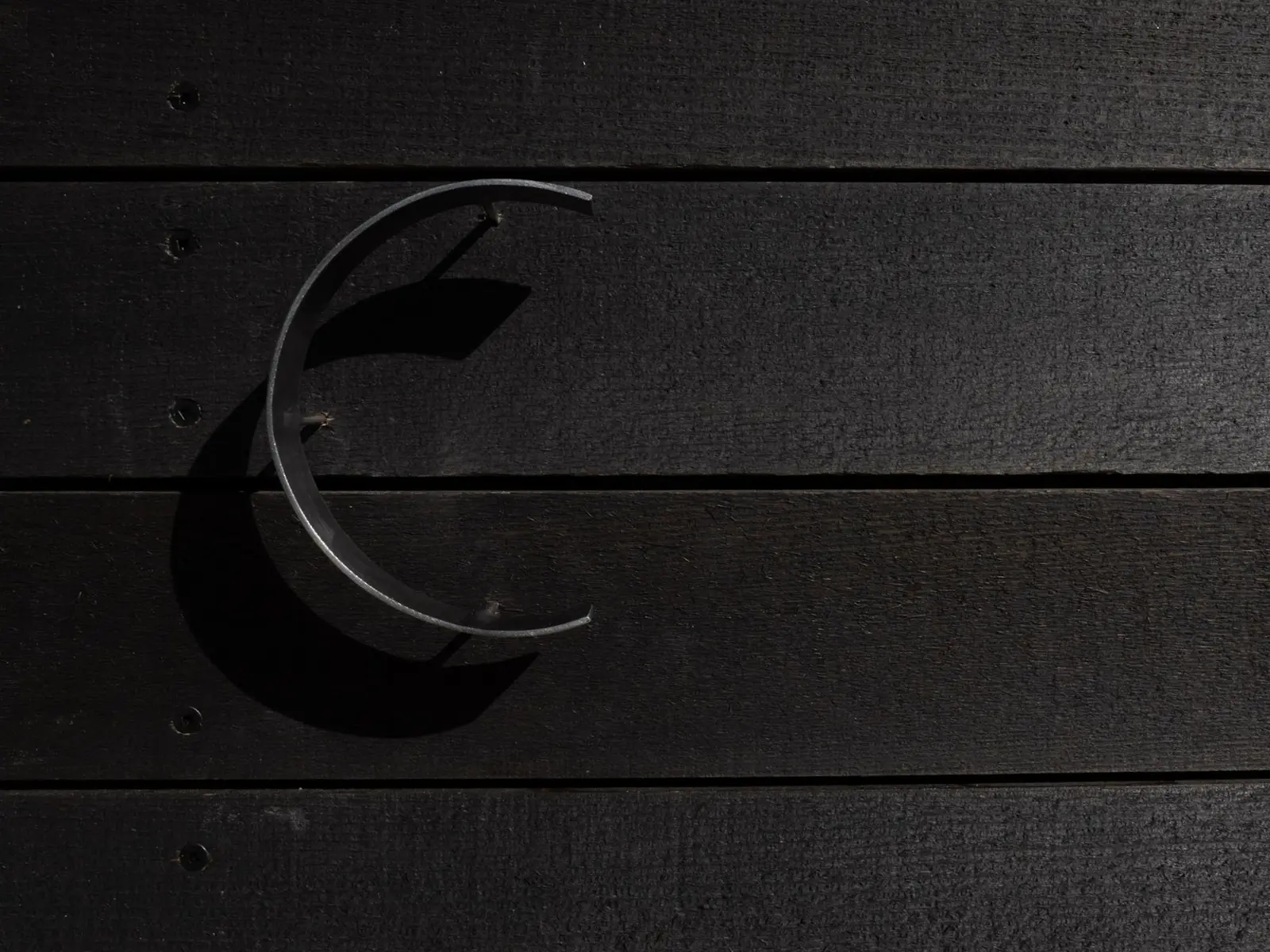
Could you talk a little bit about the objects that you make, or maybe the evolution of what you started out making and how that has changed?
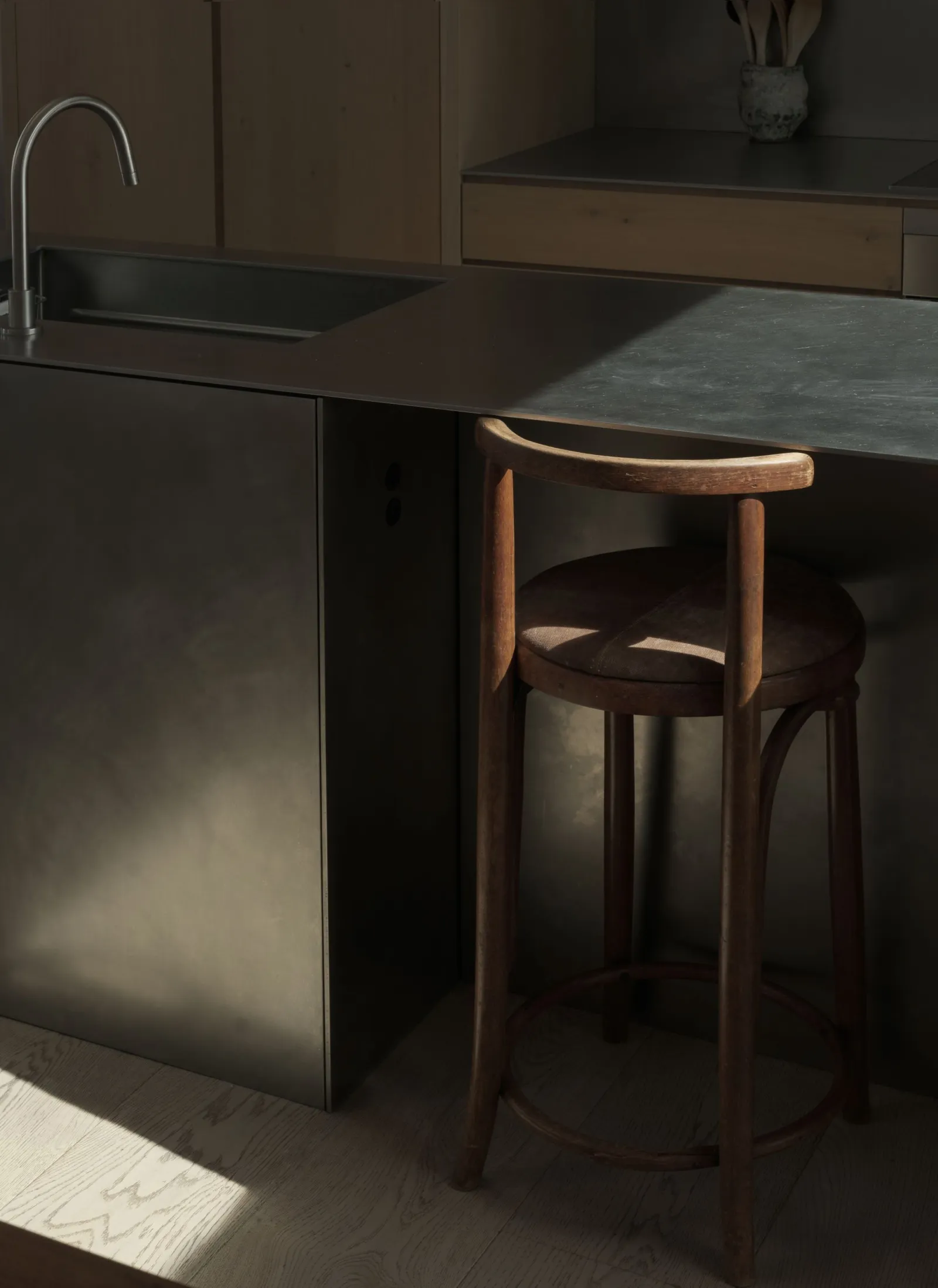
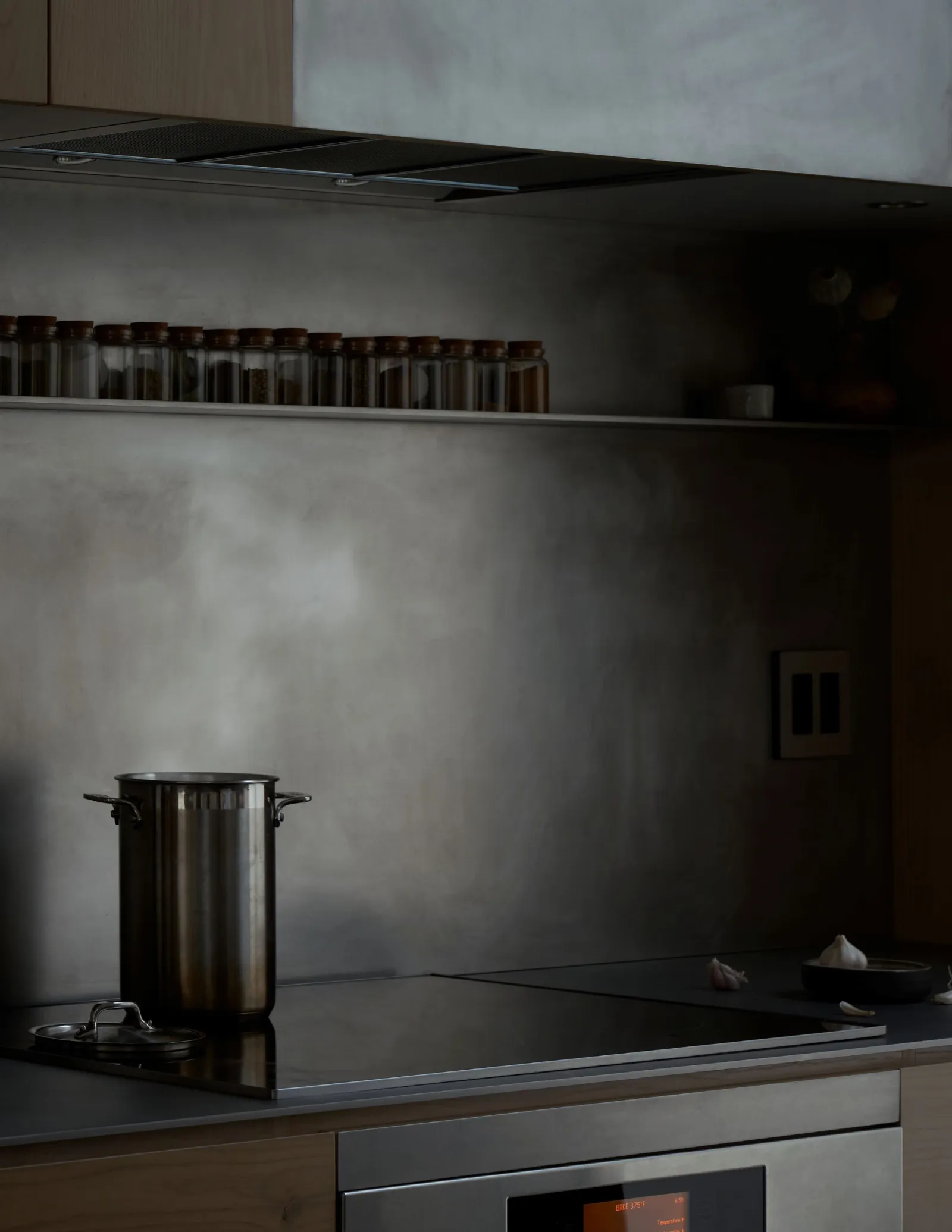
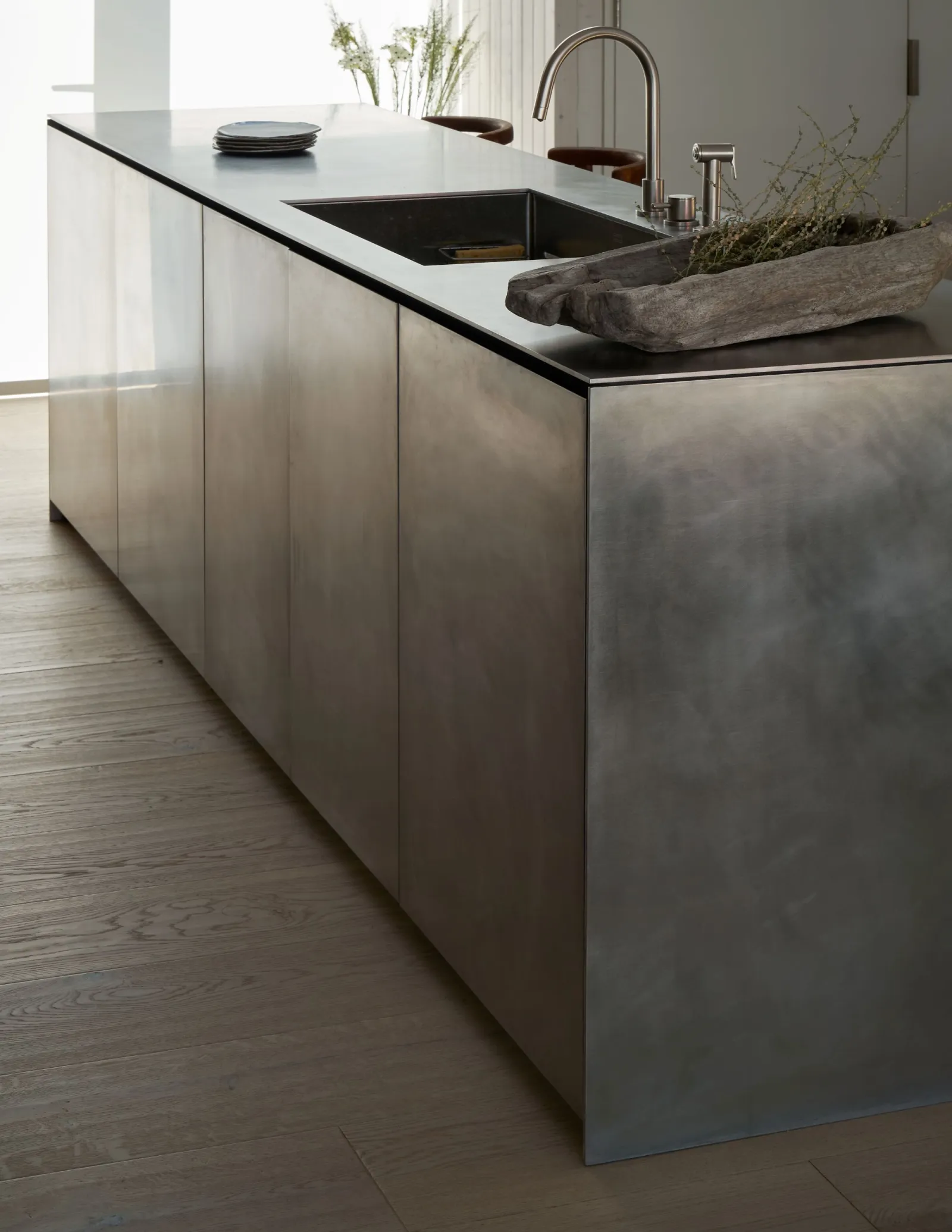
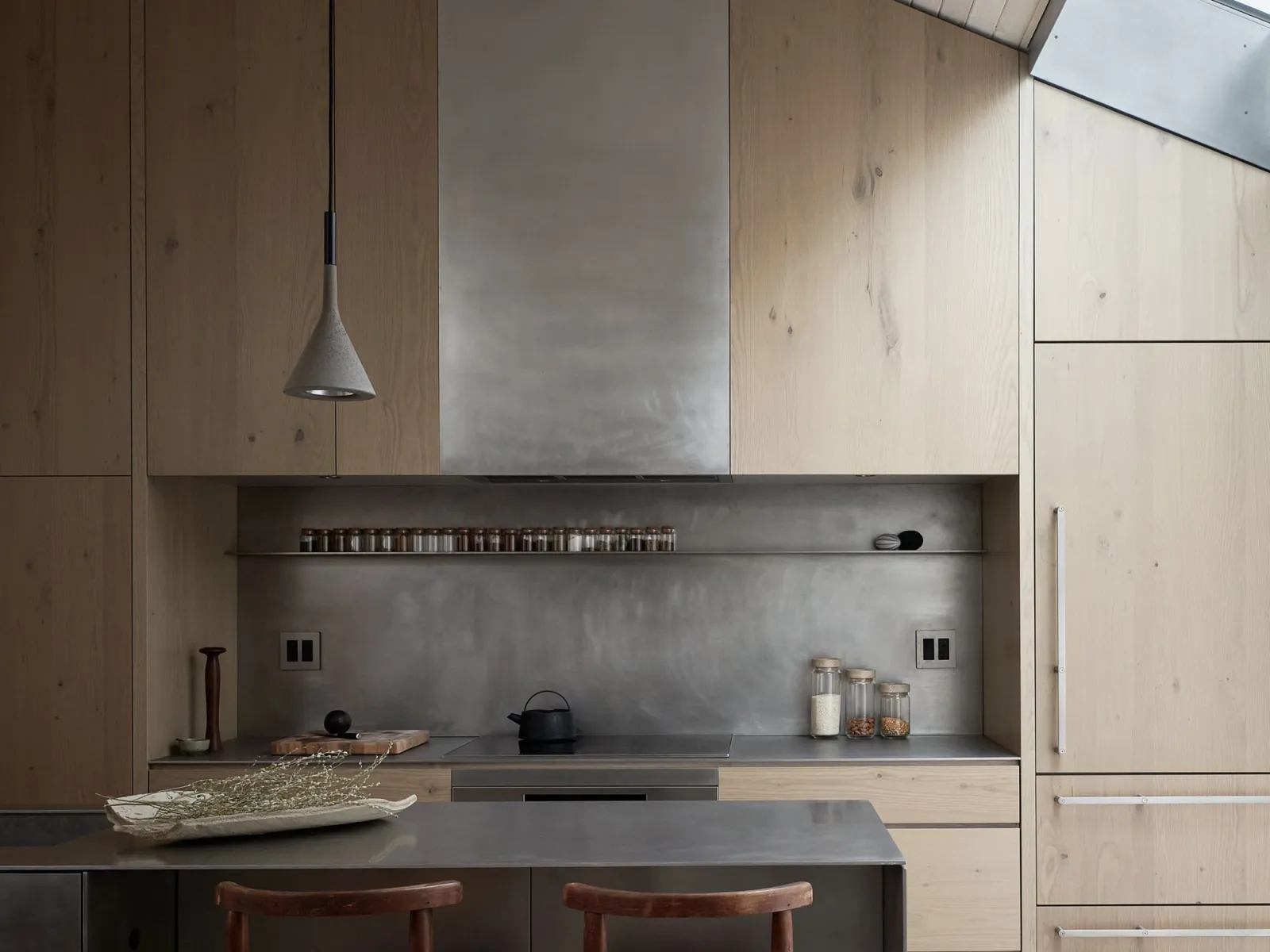
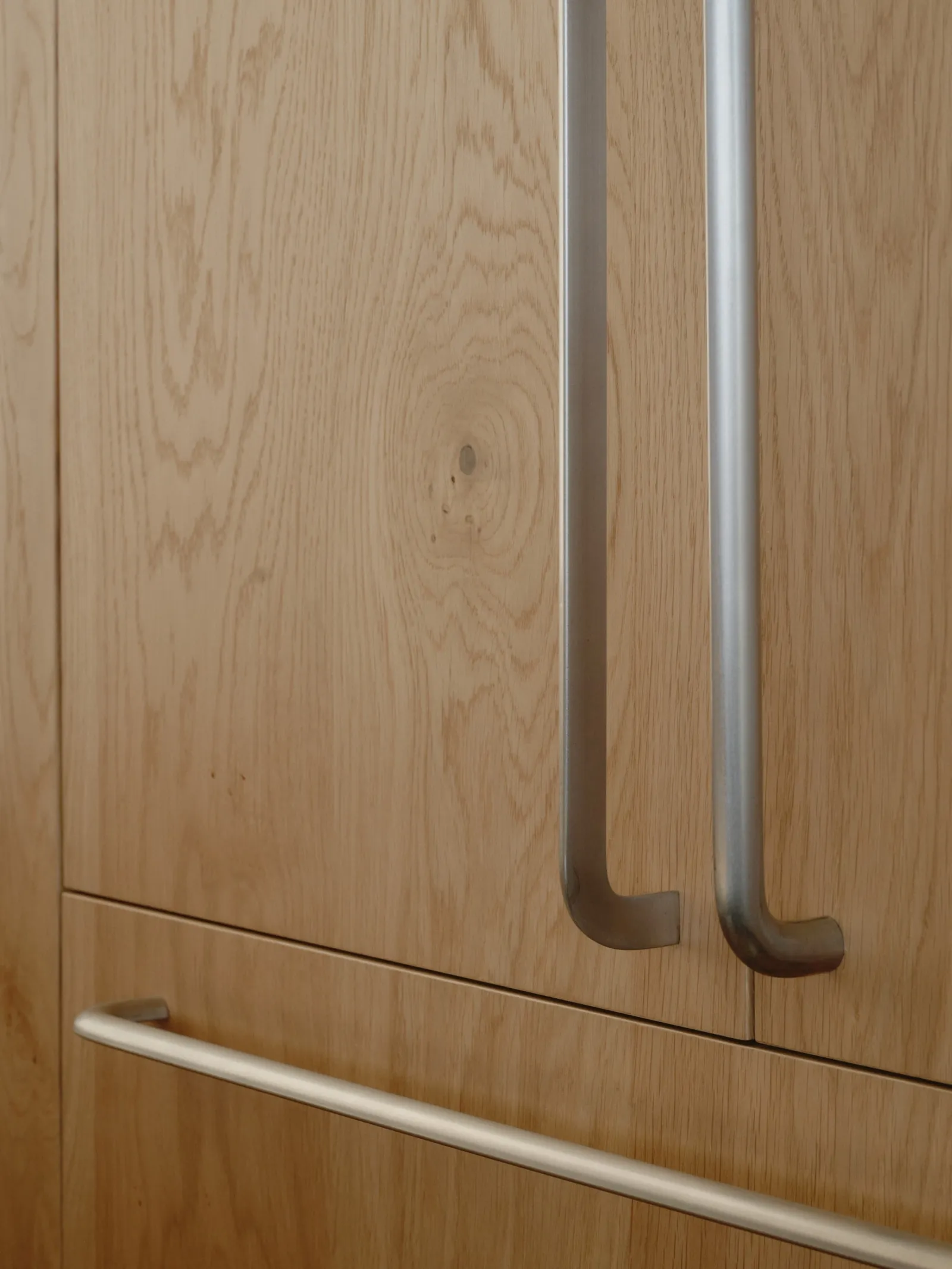
Well, I’ve got my furniture and sculpture ideas that I come up with on my own—that’s really gratifying for me to make. And then there’s also the other side of things where I'm collaborating with architects’ ideas and bringing stuff into reality for them, which is gratifying in a different way, too. For me, it’s really cool to be working with architecture that has a very similar vision to what I would like to see. When I get into a house and do all the really fine details, like the towel bars—they all kind of match the kitchen pulls and tie the whole house together in a cool way. That feels really good. Being able to work on projects at that level where people can be thoughtful is fun and cool, and I think makes a difference.
Are there other makers, artists, anybody that influences your work?
I would say that I’m probably most inspired by fine art and people who are thinking about deeper-level things. James Turrell is so cool for me—the way he sees light and makes these spaces in celebration of light has been really inspiring. And then also Donald Judd—seeing his spaces in Marfa was really cool. He’s taking into account space and light and objects within the bigger picture (and furniture too).
Enzo Mari is another one… mostly his idea of having people learn to do things themselves by having furniture plans that they can build themselves. My oldest and I built an Enzo Mari chair over the summer just using hand saws—it was a really fun, cool experience to share that with them.
How do you begin a new body of work or object, and then how do you know when something is finished?
I have a little pocket notebook around me all the time, and I write down and make little sketches over a long period of time. Then there are some that just end up sticking out or recurring—ideas where it's like, “Oh, we need to do something with this.”
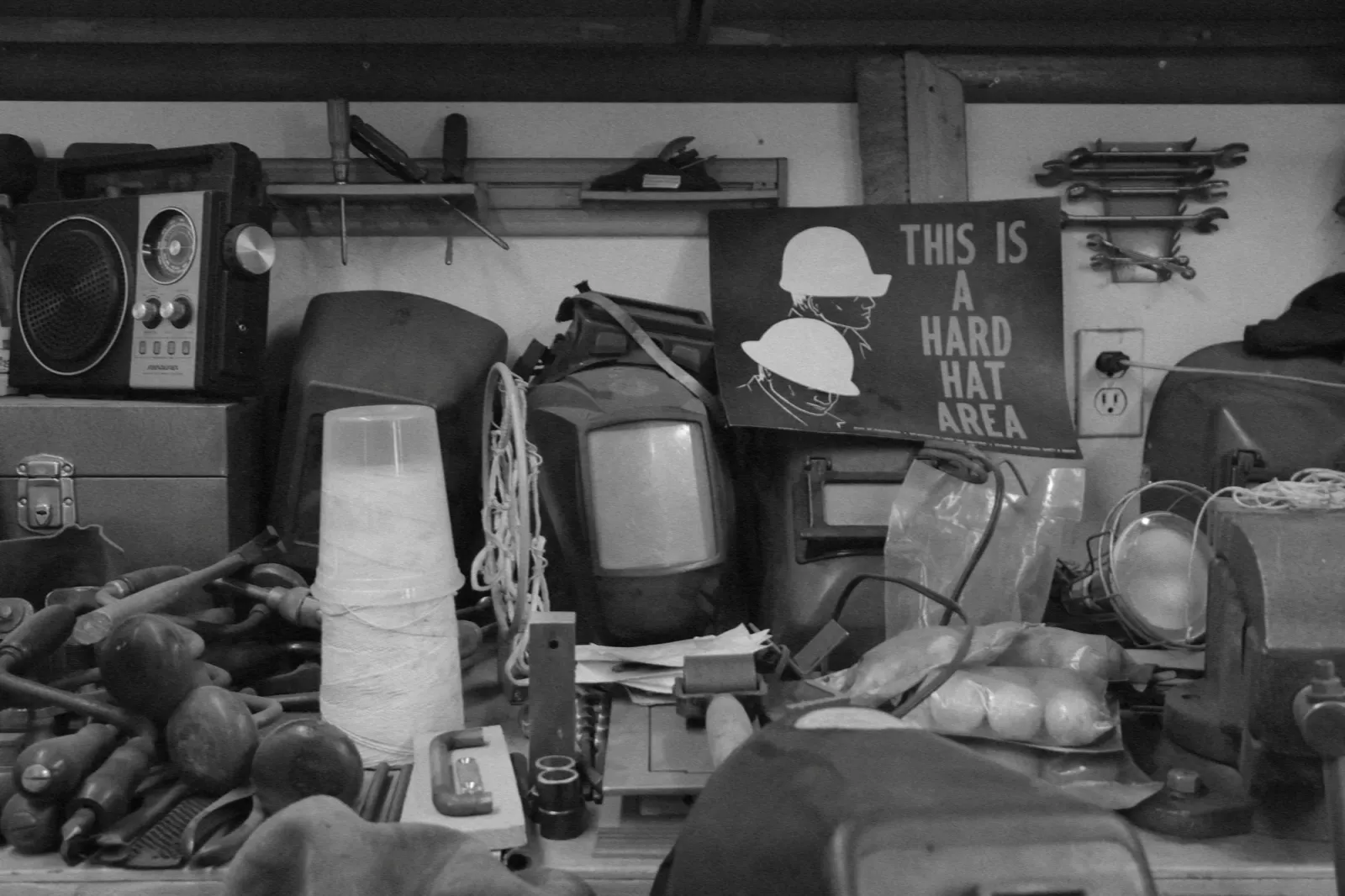
At some point, you’re like, “Okay, we’re going to bring this into reality.” I’ve got enough time between everything—it’s a balancing act right now as far as life, work, and art all overlapping. At that point, I’ll just get into the shop and go for it, start experimenting, have a pretty solid plan in mind, and see it into reality. I’m not much of a computer 3D modeler, so my notes when I build stuff for myself are just chicken-scratch drawings that I build from.
The finished part for me is seeing it in action and then spontaneous extra things start happening, or people use it in a way that you weren’t expecting. I’ve got this one sculpture I made that was focused on water dripping, but now it’s a bird bath just as much as a water dripping thing because the birds love it. I’m not mad! It’s beautiful and the birds are really enjoying it. That’s sort of the bonus—when I’m surprised by something fun that’s happening with something I made. That’s when I know that it feels successful.
Are you a maker in other areas of your life outside of art and metalwork commissions?
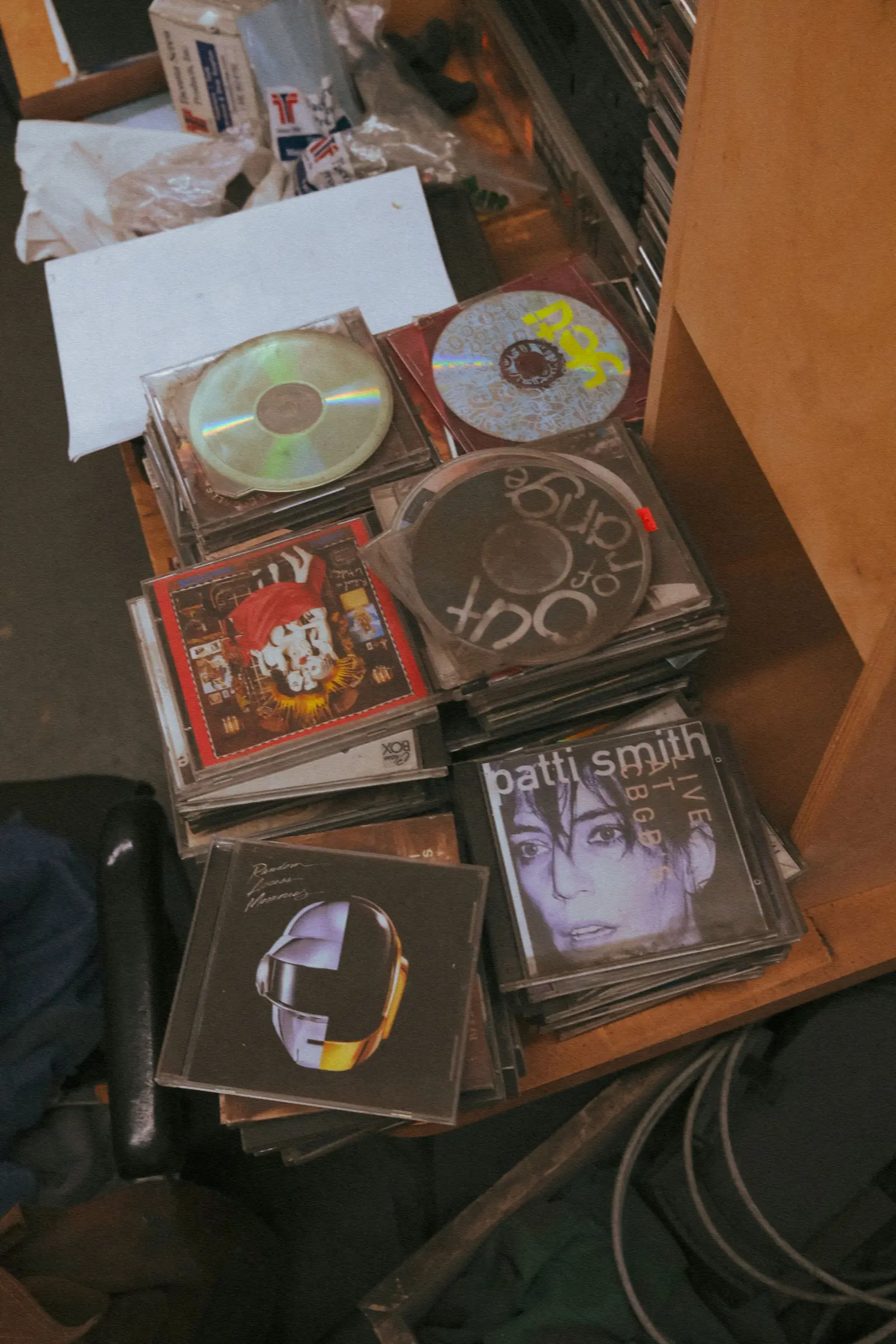
I feel like it’s all-encompassing in a way. I’m focused on music quite a bit. My wife and I have a band right now that we’re playing in, and I play guitar. A lot of my sculpture ideas involve sound as well, but I don’t feel like it is separate. Doing anything with intention and thought—whether it’s cooking a good meal or mending your clothes—it all feels the same to me. It’s all one art at some point.
In the past, I felt pressured to limit myself or focus in because that’s how you get work, right? Just being known for a single thing done well. But really, people are so much more than that and they do more things than just that. It’s all the same thing for me.
Matt Kelly has provided custom metalwork and details for several Diaa projects, including Portage Bay, Hamlin, and others. To learn more about his work and practice, visit him here. Project photography on this page was captured by Charlie Schuck, Kevin Scott, and Drew Shawver. Photos of Matt and his shop were taken by Joe King and Jacob Tobey of Shore.