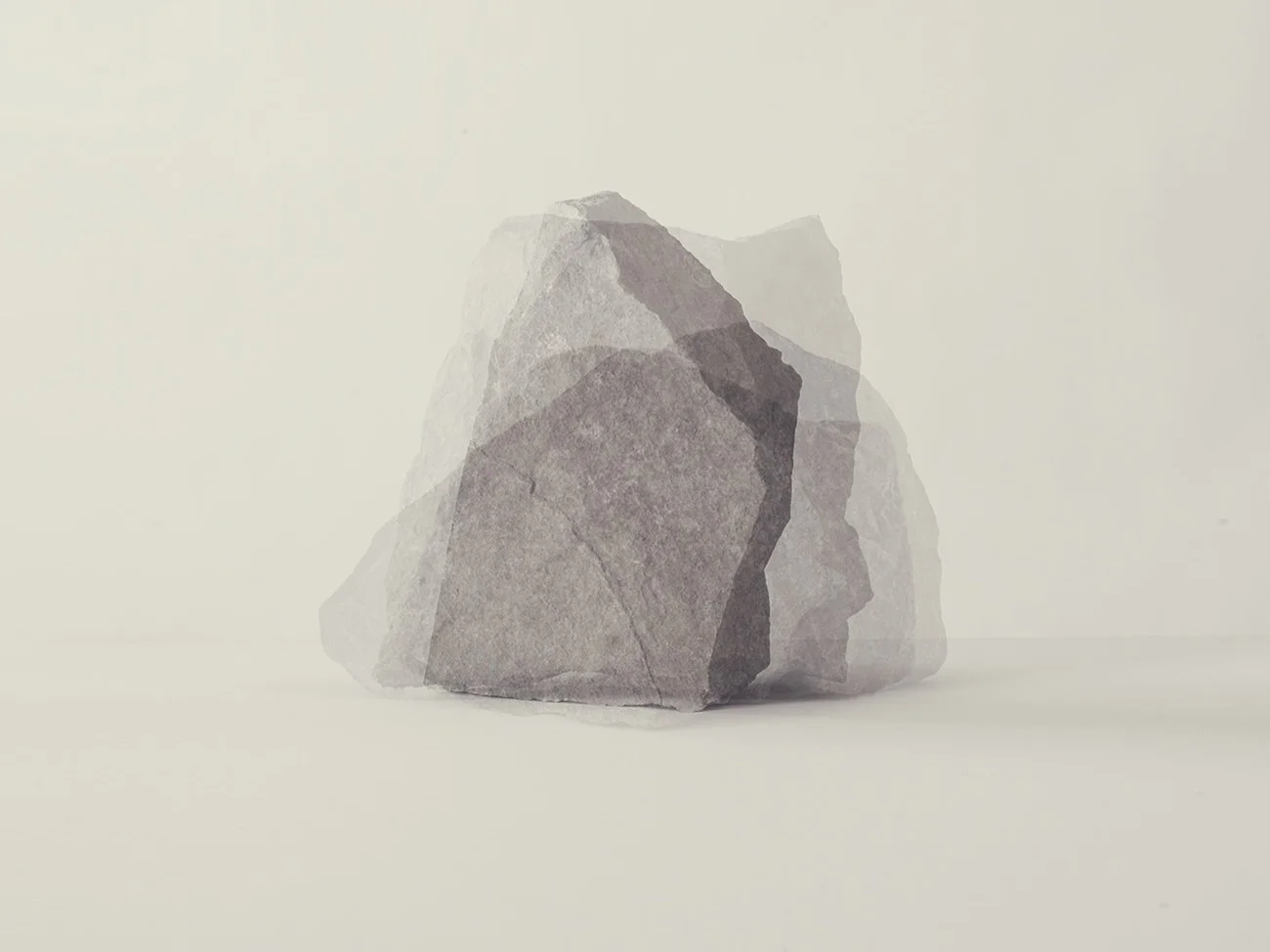
It only takes one conversation with photographer Charlie Schuck to want to be his friend. Few people exude curiosity with as much authenticity and spirit as he does. A life long observer of the world around him, his camera is merely one tool he uses to communicate the latent meaning and spark of imagination embedded within each object and place he confronts. A collector, amateur historian, nature enthusiast, archivist, interdisciplinarian, Charlie’s creative practice is much more expansive than his vocational photography. We caught up with Charlie recently to discuss his life in photography, his native Pacific Northwest, and what it means to live a creative life.
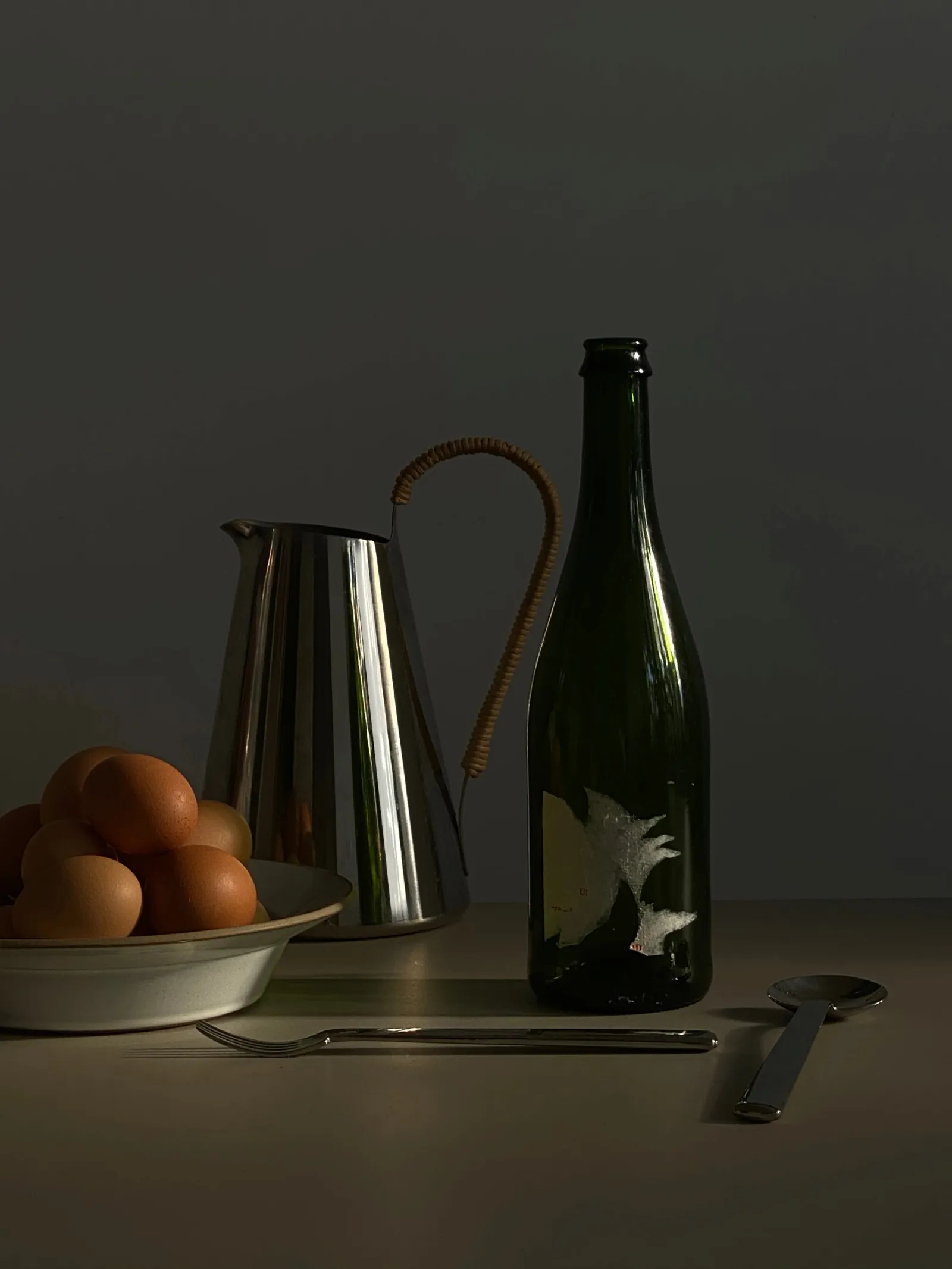
Can you recall your earliest memory of photography—or even just a picture that really struck you?
Hmm. I mean, the one thing that sticks out in my brain is being with my uncle—God knows what year—and he took me to a Goodwill. Back when Goodwill would just kind of unload piles of things on the floor of an old industrial building with skylights, and people would just sort through the objects… They weren’t really put on shelves. So I was with my uncle—who was actually, we called him uncle, but he was really grandma’s boyfriend at the time, later her second husband… He’s this salty old character. For some reason I became obsessed with this camera, and he bought it for me. I remember using it as a play toy without film, just because I was too young to really understand how to load film. I remember it being this magical item that drew my eye, and he showed me (in theory) how it works. That memory sticks in my brain.
Did you attend school or have formal training in photography, or has this all been a self-taught, self-developed skill?
Photography for me was something I found interesting in high school, like everyone does. Then, after kind of being lost a bit, trying different things and working in Alaska doing odd jobs, photography kind of fell into my lap. My first photography job was at Argosy Cruises in Seattle, working in the photo lab there—taking photographs of people getting on the boats, then running back to process the film. I remember being really excited because in the lab I could develop my own work on top of the job.
After a few years and living in California, I came back and went to the Art Institute in Seattle for technical photography. After that I assisted other photographers in the Northwest while beginning to shoot my own things. So, it wasn’t a direct path… it was a meandering path, but it was something I’d always been interested in. I didn’t really think of it as a career, but over time it became a pursuit I was very interested in and found myself returning to over and over again.
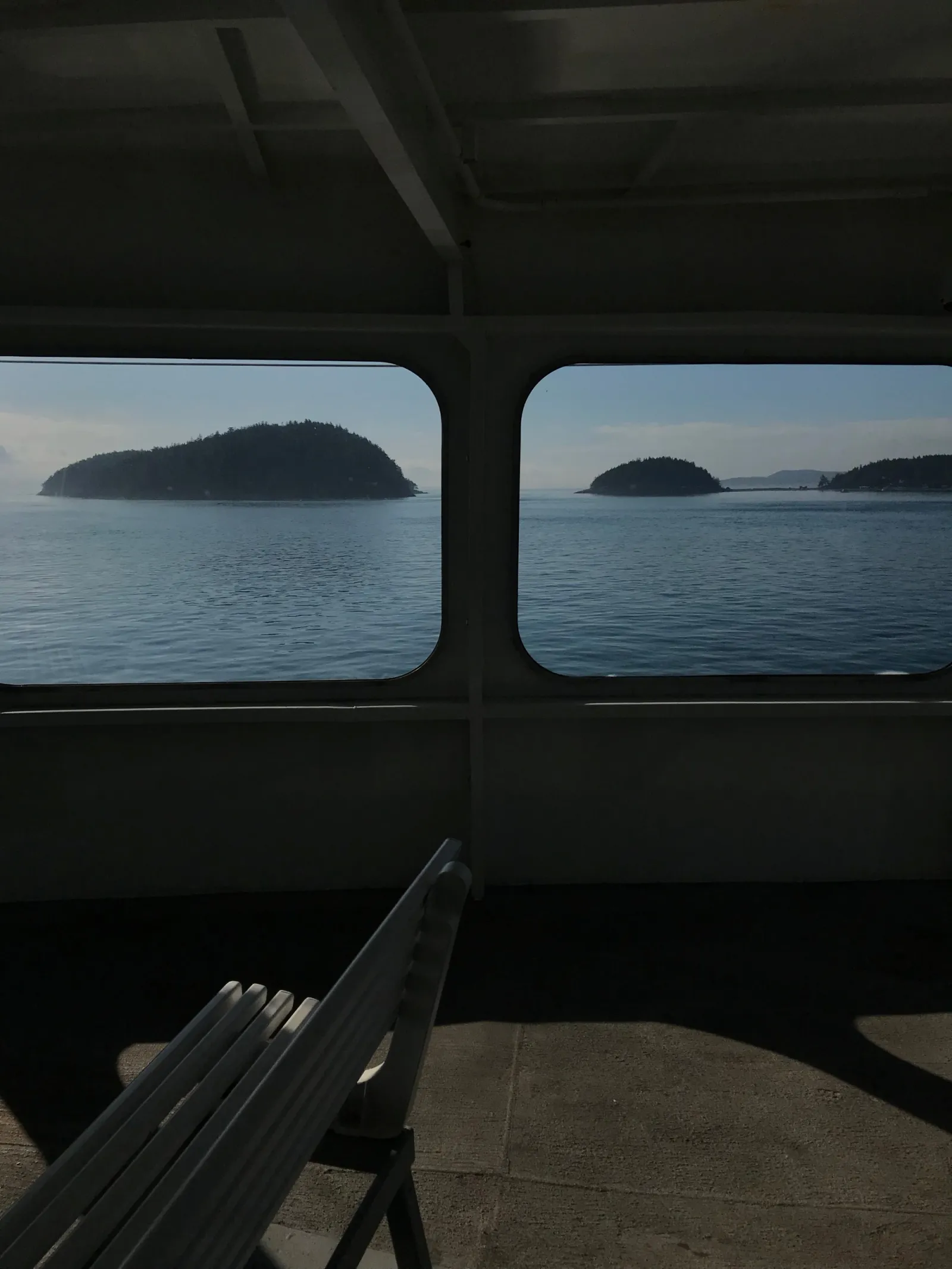
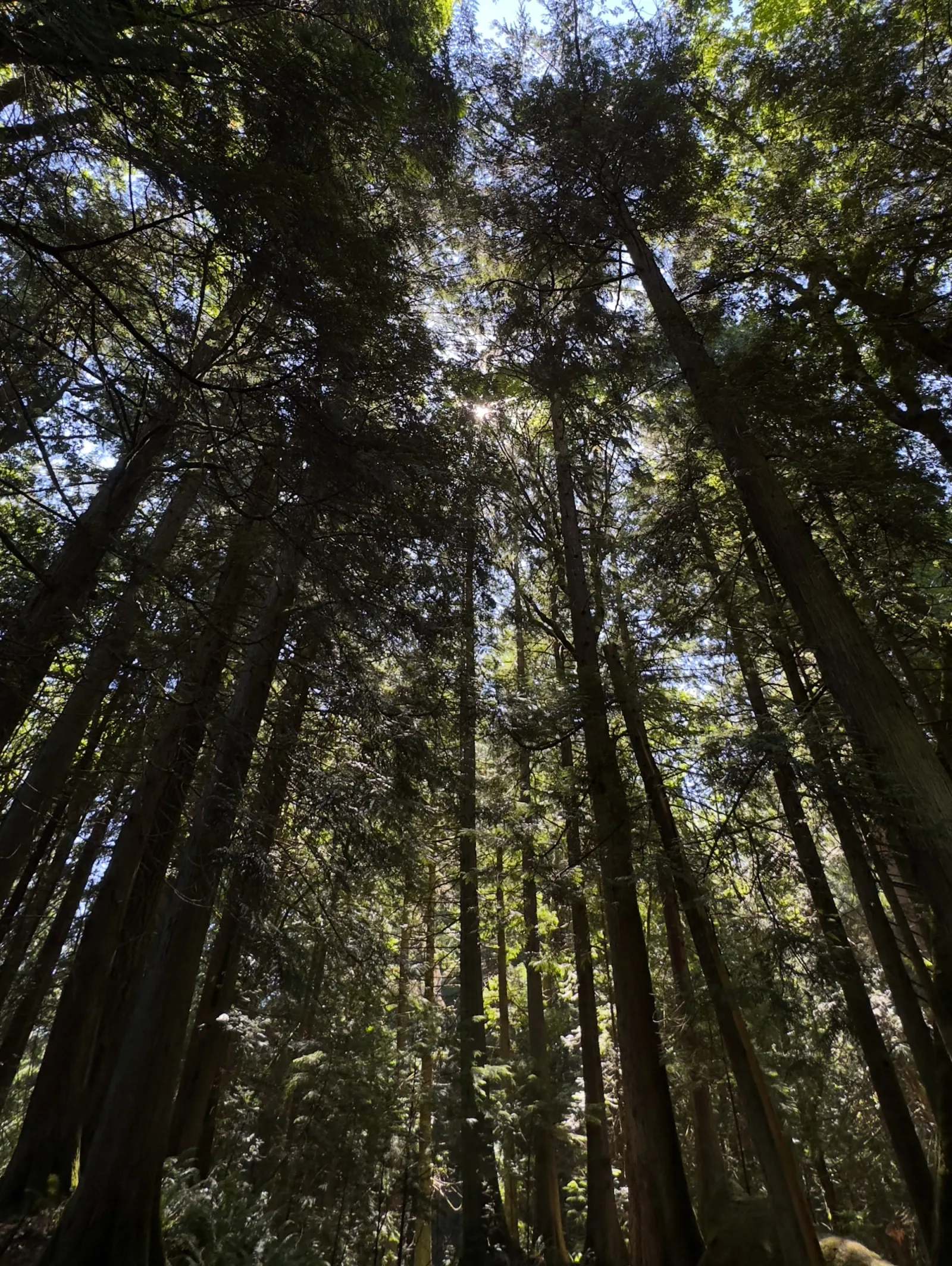
You’ve shot for some really established clients, and yet it seems you still do this as something you love outside of work. Does that frame of mind turn off, or do you just move through the world constantly seeking what to capture?
My personal, business, photography, art, and creative processes are all completely intertwined. It’s definitely a 24/7 thing. I felt a little bit behind coming into my career and really felt that I had to get to work and find a way to pay for my life. So I never had as much time early on to explore creatively or spend time focusing more on the art. Now, the rest of my life is just continuously studying things, following different tangents, fields, and pathways of creativity as I get older. It never turns off. But I wouldn’t say photoraphy per se is the only thing; it’s just part of my greater creative outlook and the way I found to make a living.
Do you get creative in other ways?
Well, definitely—as you might know, a never-ending stream of ideas. At any given time I have dozens of projects I want to get to, from land art to sculptures to photographic projects. Over the course of my life I’ve fallen into curating and design. I ran a store out of my living space in Seattle around 2010.
What did you sell?
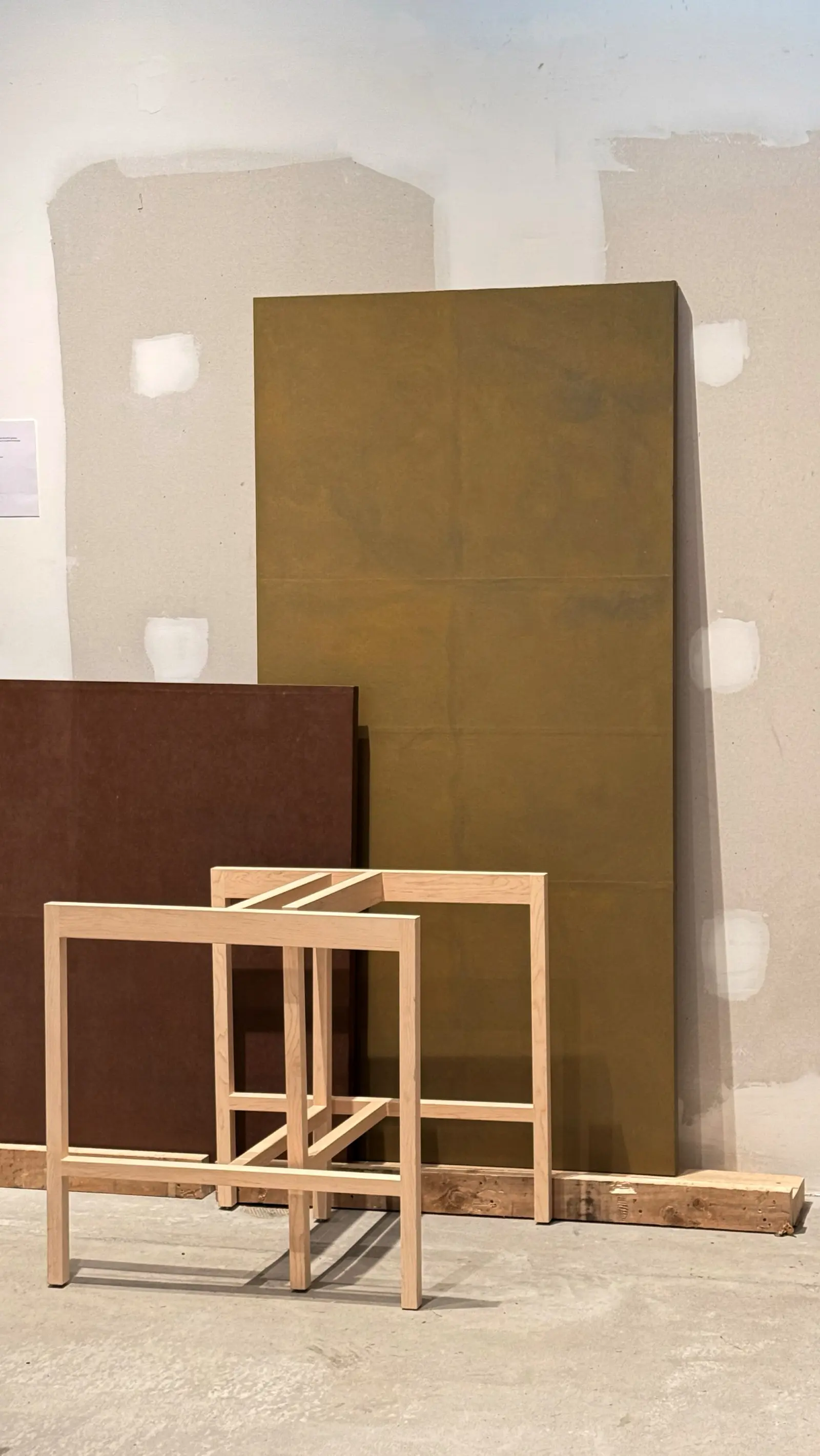
Primarily Northwest design objects and things from places that I feel (historically) influenced the Northwest. It was kind of a hybrid store. It stemmed from having friends and roommates who were industrial designers making things, and being tasked with photographing them. That led to thinking about how things could be shown and exhibited— how objects are more than just a piece put on a white background, and how they can be experienced. A lot of my interests in other endeavors stem from that idea of expanding the photograph.
Like, how can you get beyond the visual image to something that’s more experiential? Something people can actually feel, touching different senses. With the store, that actually led to redoing the Frye Art Museum store, which I interpreted by looking at their permanent collection of late 19th century Munich Secession-Style paintings— a lot of paintings of cows—and merging those historical time periods with the present day to get people excited.
You do not strike me as somebody who is afraid of taking risks. You’ve really leaned into a creative life, which is not a traditional path for many people. Can you talk about any fears or doubts you’ve had?
Oh, I think I’m probably always terribly afraid, right?! We all have fears and thoughts. I just have a very particular idea about how things should be and how life should be experienced, and I have a lot of confidence in that. But there’s always fear in the world—the world definitely wants people to fit into specific boxes. If you don’t fit nicely into that box, it can create issues.
Can you trace that willingness to resist (your doubts) back to anything—or maybe someone who inspired you to push through those fears?
The Northwest in general, and I had very interesting family members—aunts, uncles, people doing vastly different things from science to research to arts. And Uncle Ted… funny Uncle Ted—he was a complete contrarian: that Peugeot-driving, 70’s character who had views on everything. During that time in the Northwest, there was a lot more non-conformism and jagged personalities. A lot of that’s been rounded out, but that definitely was part of my DNA growing up.
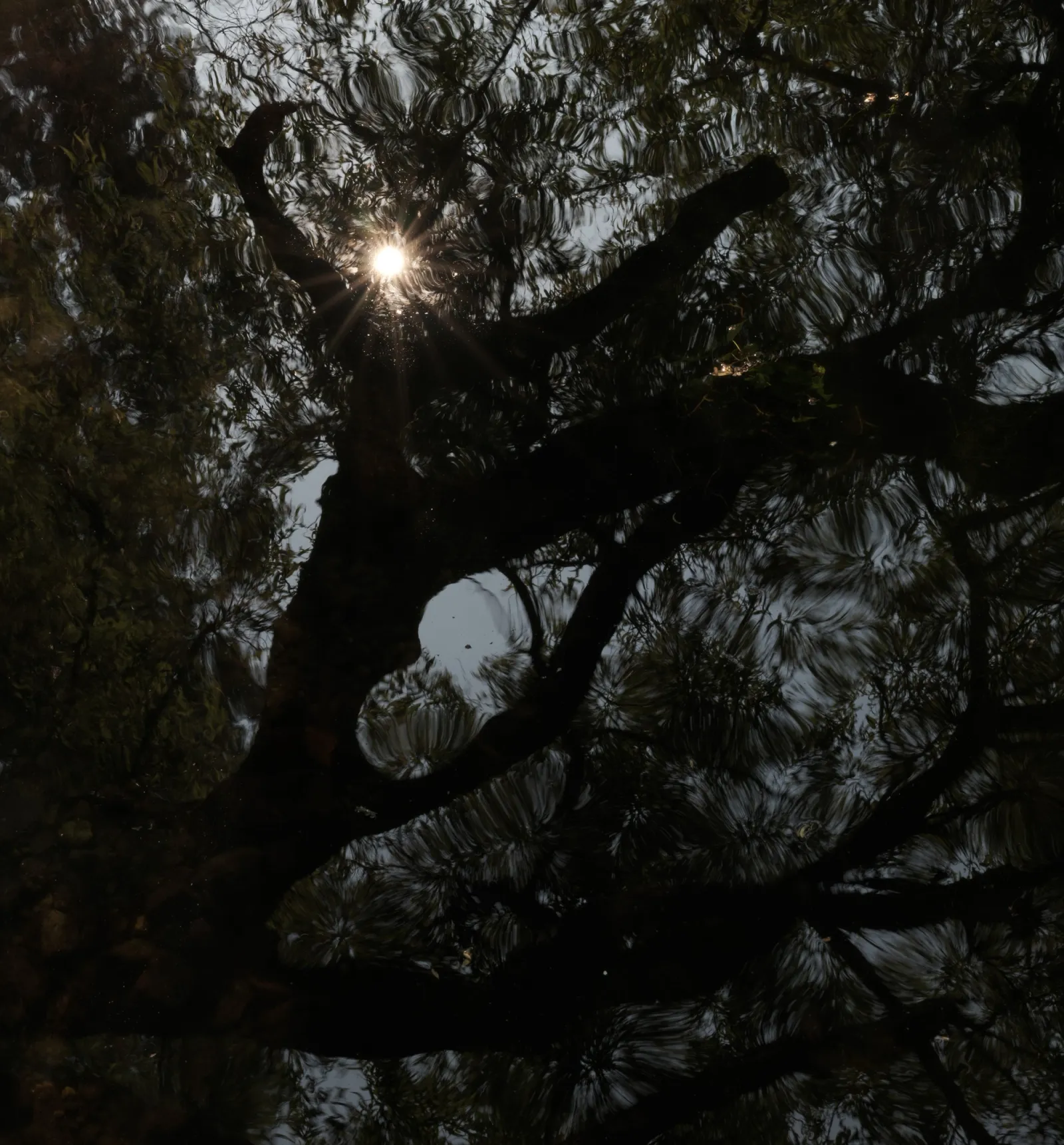
It makes me think of Italo Calvino’s Invisible Cities—that great poetic, postmodern fictional discussion between Marco Polo and Kublai Khan about his empire. Polo describes these magical cities, but at a certain point, he admits that every city he describes is basically a version of his home city, Venice. And I’m realizing as I get older, everything I do is filtered through that weird upbringing I had trouncing around Bainbridge island in the woods, looking at the rocks and the water. My creative ideas are filtered through that lens—everything is Venice. I try to keep that feeling—that emotion I felt back then—alive in everything I make.
Do you have a shot, or a body of work, that sticks out as your favorite or the most remarkable to you?
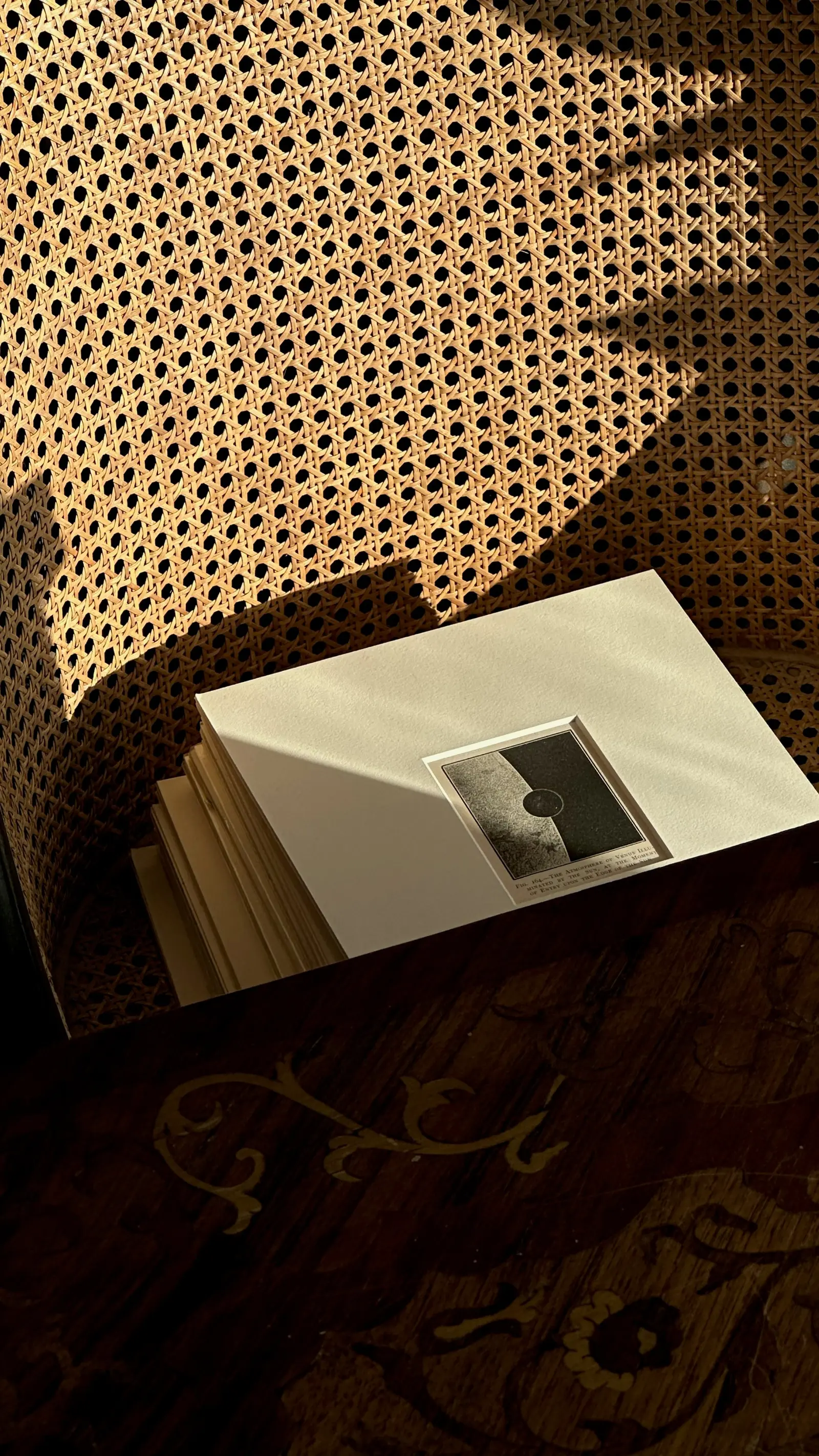
For me, it’s literally just what I document and photograph in my travels. The most interesting thing is just observing the world and those moments when something captivates you enough to photograph or film it. I’m constantly looking back at these fragmented snapshots while traveling or in daily life—light coming through a window. If there’s a greater purpose, I think these are the moments when nature, God, or whatever you call it, is communicating with us.
Think about your commute: when someone asks how your commute was, one or two images come to your mind, but the rest of the drive is blocked out. Why do those specific moments stick? A tree branch, the light, a detail on your steering wheel… Those are the moments a greater force is communicating with us. I get so excited to capture something, sometimes even just in my mind when I don’t have a camera.
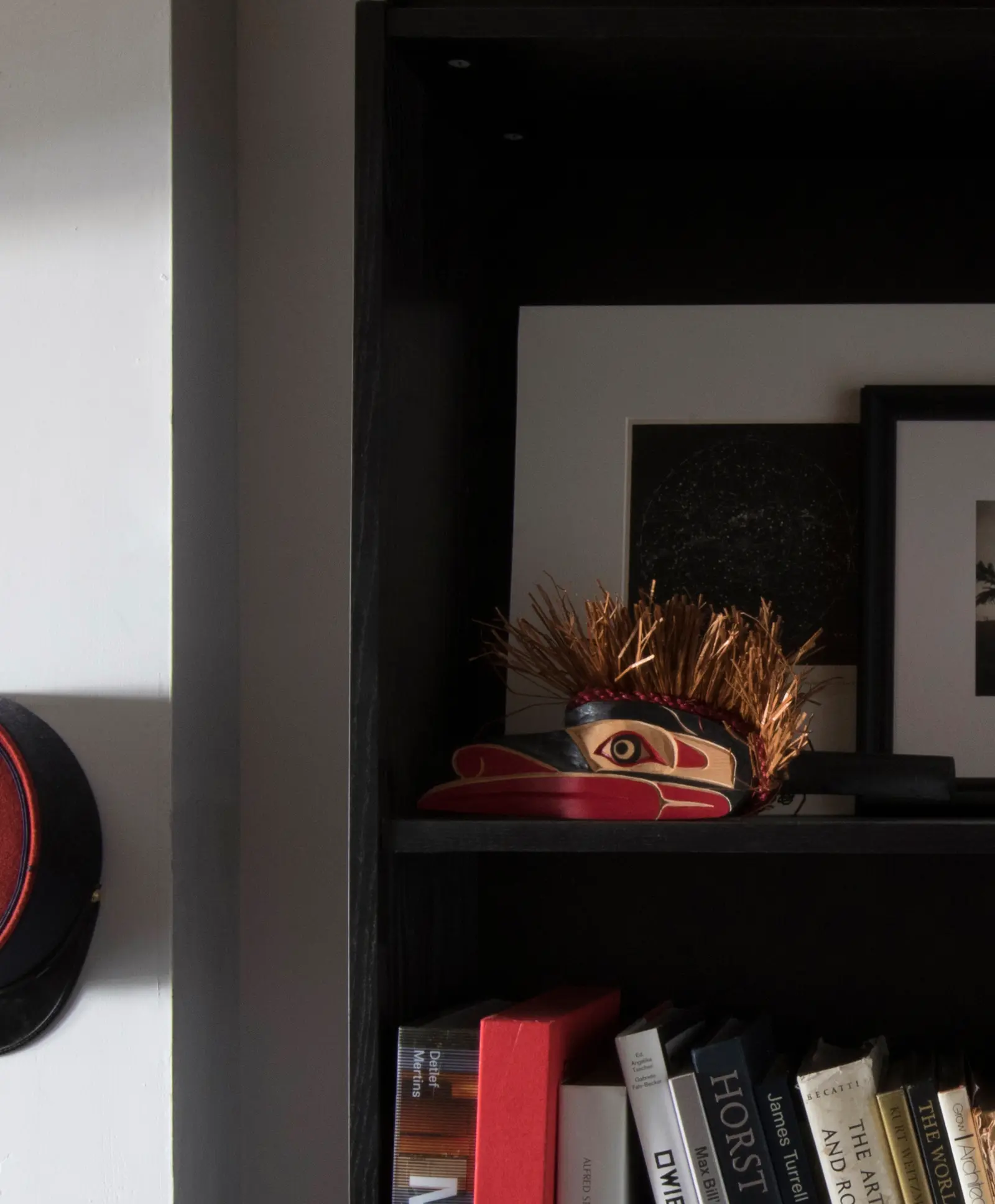
Do you agree with the idea that objects—especially objects made with intention—have spirit or life?
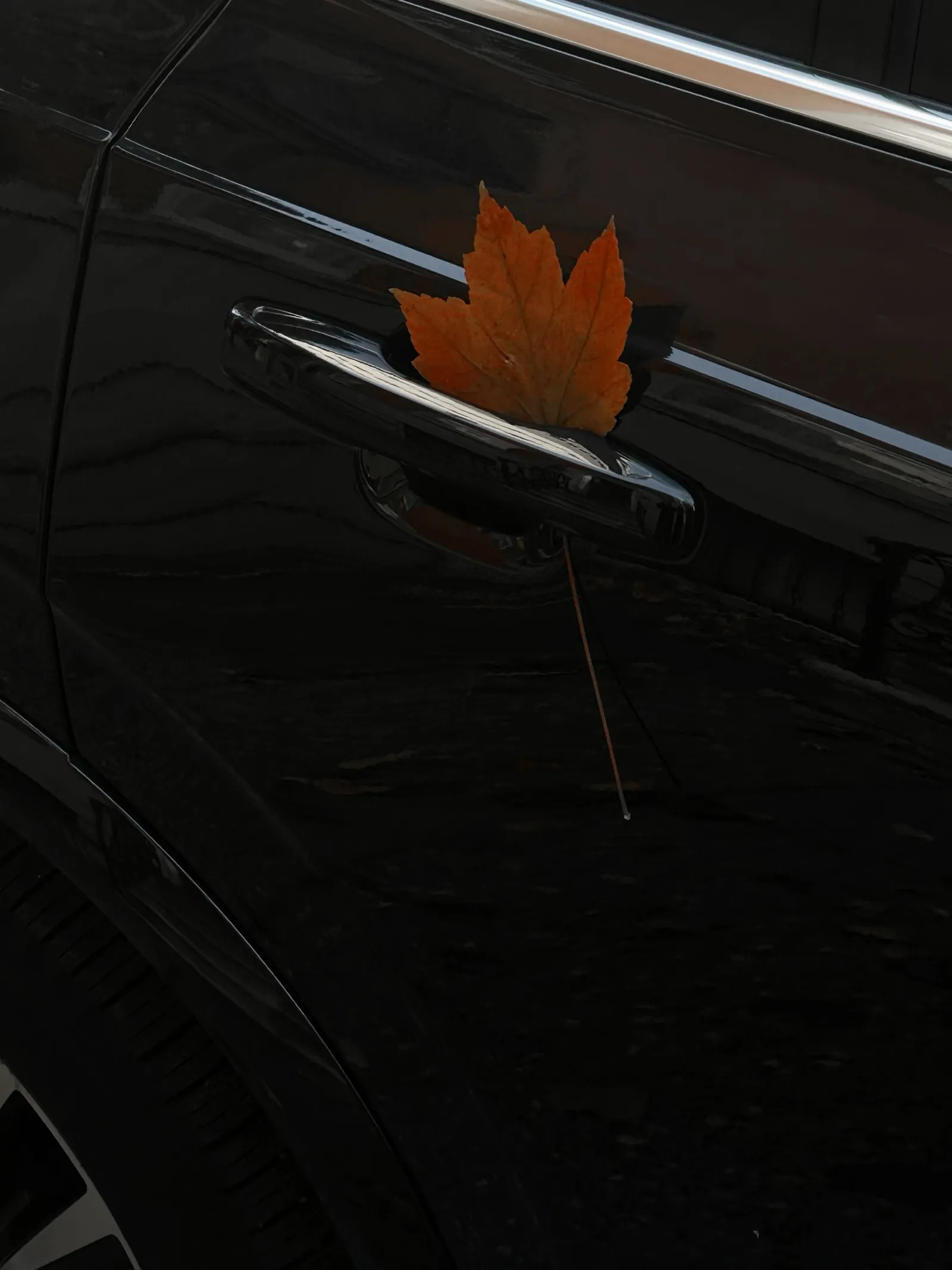
Oh, absolutely! There are objects created by people, and natural objects created through the process of life, but both possess some kind of spirit. We feel it in nature—a sunset or a fall leaf transcends politics and socioeconomic classes. And the same with any created object: someone had to think through a problem and create a solution, and their spirit lives with it. Materialism isn’t necessarily just a shallow idea; it’s wanting to possess the spirit of whoever made that object, to feel and experience what they felt.
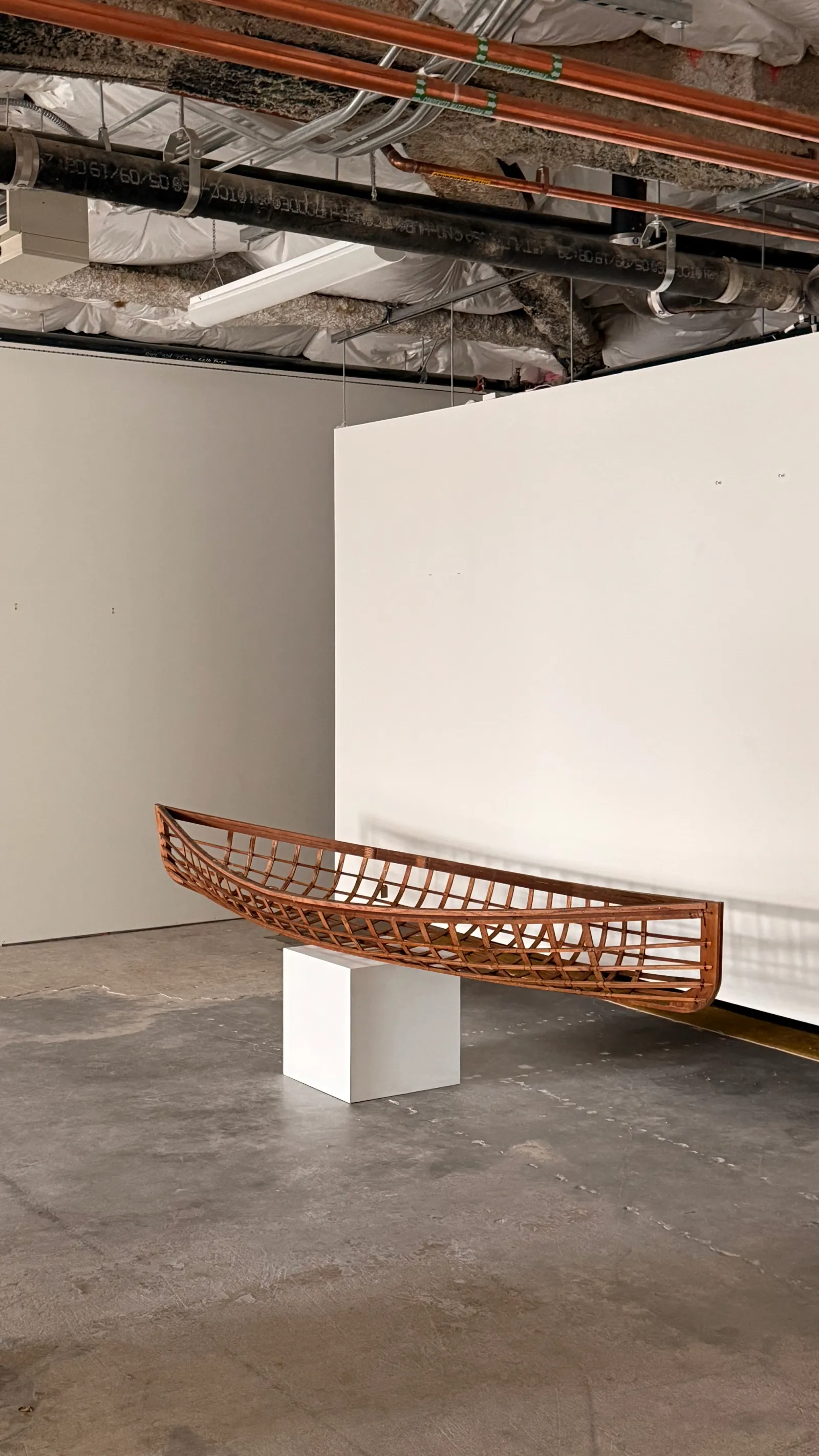
Right—you become a collector… not of things, but rather stories.
Exactly. And the same with natural objects—like a perfect beach rock formed over tens of thousands of years. It’s like God or someone showing you this perfection and wonder.
I always joke that when I left the Northwest, I wanted to take my heart out—pull a beating heart out and hide it in the rocks on the beach—because I didn’t want to get jaded. I wanted those memories to remain pure. When I come back, I don’t want my heart to be smudged or degraded by other parts of the world, because the Northwest is such a pure, beautiful place with so much potential.
It’s just like magic. Growing up there as a kid, old memories pop up like photos, and the light was so amazing.
As you grow older, your appreciation grows for what a rarity it is to have lived here.
Yeah, it’s funny how age will do that. You take things for granted when you’re young and just want to hang out with friends… and then later you look at tree bark and leaves and think, “that’s incredible!”
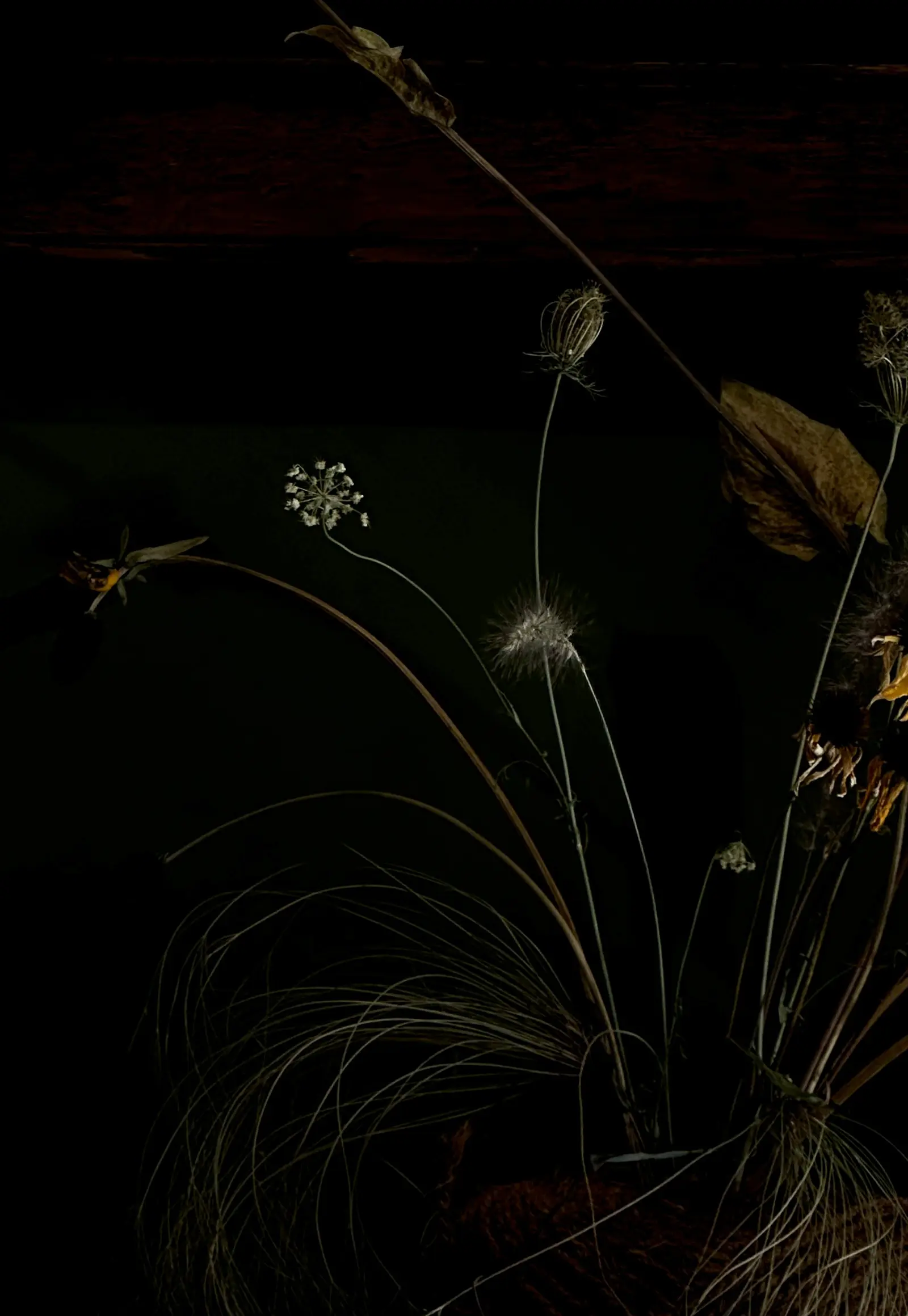
Trained in traditional film and digital studio techniques, Charlie Schuck is a still and motion photographer based in Philadelphia, PA. In addition to the photographs and video work featured throughout our website, Charlie has worked extensively in commercial photography for numerous museums, companies, galleries and private clients. You can learn more about Charlie and his work here.